PM-Friendly Reporting · Free Inspection

Apartment & Property Handling Rodent Control in Winston-Salem, NC

Property management rodent control is a multi-unit program. It's built for the way apartments, HOAs, and rental portfolios really run. That means giving tenants proper notice. Scheduling unit-by-unit access. Treating shared spaces. And making records that work for owner or board reporting. We serve property managers across Forsyth County, from single duplexes to large multi-family complexes.

📞 Call (844) 635-0403All 33 Services
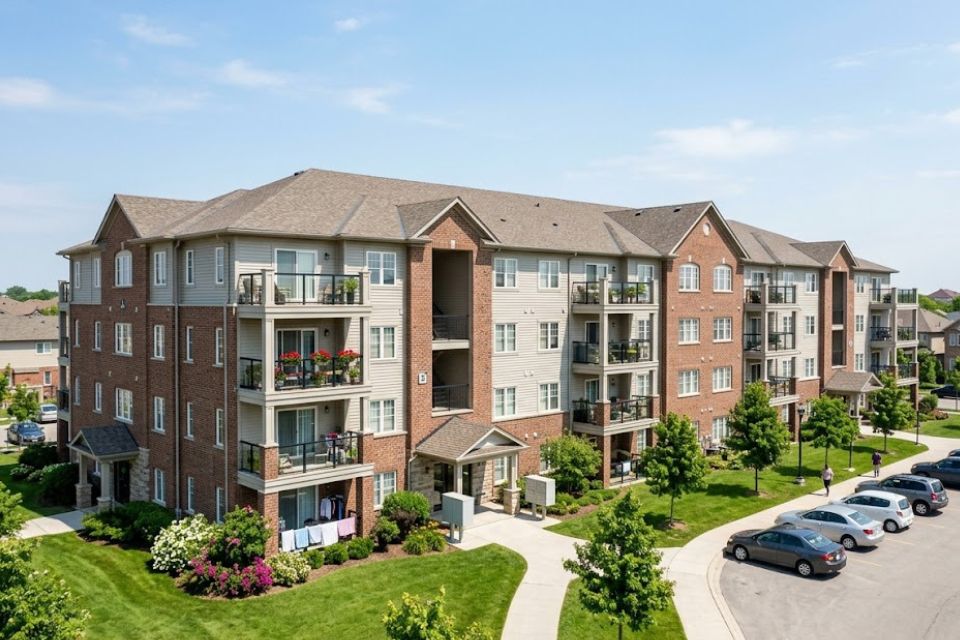
Multi-unit apartment building rodent control service in Winston-Salem NC
NC-licensed structural pest control. Written guarantee on exclusion work. Same-day dispatch before mid-afternoon. Recorded records for Forsyth County Health Dept.
🔧 Tech Insight

Multi-unit rodent control sees pressure that single-family homes don't. Shared plumbing chases let mice cross 3 to 5 units in a single corridor. One untreated unit feeds the whole building. Pre-1970 multi-units in Winston-Salem usually run 15 to 30 entry points per building exterior. Internal travel paths multiply the apparent infestation across units.

📋 Real Case

A 24-unit Boston Thurmond (27101) building had complaints from 6 tenants over 3 weeks. We mapped the building's basement utility chase, found the entry at a foundation crack near the gas meter, and ran a building-wide knockdown over 14 days. Six units cleared, all tenants notified per NC landlord-tenant requirements. Scope: $4,200.

The Multi-Unit Challenge

Why Multi-Family Rodent Control Needs a Different Way

Rodent problems in multi-family properties behave differently from single-family infestations in four key ways.

Unit-to-Unit Spread

Adjacent Units Are Almost Always Affected

Rodents move through shared wall voids, plumbing chases, and HVAC returns. A single tenant report almost always means the two lateral neighbors and the unit above or below are affected, whether those tenants have noticed yet or not. Inspecting only the reported unit makes an incomplete scope and an under-resourced treatment.

Access Planning

Tenant Notice Needs Apply

North Carolina law needs landlords to give tenants reasonable notice before entering a unit for non-emergency pest work. The standard is 24 hours. We schedule multi-unit programs to handle that rule and to treat affected units in one arranged visit, not spread out over weeks of separate access requests.

Shared-Space Priority

Common Areas Drive Infestation Patterns

Laundry rooms, trash enclosures, mailbox areas, utility closets, and parking structures are where rats enter and shelter at most Winston-Salem apartment complexes. Treating only the affected units leaves the source in place. The problem comes back.

Records Need

Property Managers Need Records

Recorded rodent treatment is now needed for more insurance audits, HOA reports, and rental licenses. We give inspection reports and treatment records built for property-handling use: unit-level detail plus a building summary that works for owner or board reporting.

Program Structure

How Multi-Unit Programs Work

Building Survey

Exterior perimeter. Common areas. Utility spaces. Any vacant units we can get to. We find shared-space shelter and entry points before tenant access is scheduled. The inspection is free. You get a written building-level report.

Unit Access Planning

We work with your leasing or upkeep staff to schedule unit inspections with proper notice. Reported unit plus all adjacent units. Entry-point mapping and evidence records by unit number.

Shared-Space Treatment

Exterior perimeter bait stations go at trash enclosures, building corners, and utility entries. Interior treatment runs through laundry rooms, utility closets, and common corridors. We never place bait in open-floor spots where residents can reach it.

Unit Treatment

Protected snap-trap placement inside kitchen base cabinets. Plus utility areas of affected units. Entry-point sealing at shared-wall plumbing penetrations and floor-plate gaps. Tenant-safe placement rules apply throughout.

PM Reporting Package

Unit-by-unit inspection findings, treatment records by location, follow-up schedule, and building summary. PDF or email format. Formatted for owner, HOA board, or insurance audit use.

Property Manager Rodent Programs Across Forsyth County

Free site survey. PM-formatted records. No mandatory contracts.

📞 Call (844) 635-0403
Multi-Unit Program Structure

How Multi-Unit Rodent Programs Are Structured

Apartment and property-handling work is not the same as single-family work. The building is different. The tenant side is different. The paperwork is different too. Four parts make up a typical multi-unit program in Winston-Salem.

Building-level review

The first inspection walks every unit we can access, plus common areas, the exterior, mechanical rooms, trash zones, and anything that connects units together (utility chases, shared walls, plumbing risers). What you get is a building-wide review and a program built around what we really found.

Tenant planning

Every unit needs walkthrough access for the inspection. Follow-up monitoring usually doesn't need the tenant there if building management has master-access protocols. We arrange scheduling so most tenants only have one needed time slot. We can talk to tenants directly, or everything can route through property management. Owner's call.

Building-wide vs unit-specific

Building-wide programs treat the shared stuff. Utility chases. Common areas. The exterior. Basement and crawl-space common zones. Unit-specific work goes to the units where activity has shown up. Most apartment programs use both. Building-wide prevention plus the option to respond to single units.

Records for property managers

Unit-by-unit findings. A building-wide treatment log. Before-and-after photos for the bad cases. Monthly summary reports for steady programs. Exclusion-work finish certificates. The format suits owner reports. Filings. Tenant talk. And pre-lease status.

Pricing. Per-unit-month structure, usually $4 to $12 per unit per month. We combine that with the building perimeter program rate. The first building survey is scope-based. Usually $400 to $1,800. The price depends on building size and unit count. Unit-specific treatment beyond program scope gets priced per visit, like single-family residential. Volume pricing is open for multi-building portfolios.

Factors That Change Your Specific Quote

About insurance: Multi-unit pest management is the property's operating expense, not an insurance line item. Property-policy claims may apply for secondary damage (electrical gnawing, plumbing damage from rat activity). We document everything for both internal records and any insurer requests.

Want your real number? Call (844) 635-0403 for a free building-level walkthrough.

Common Questions

Apartment & PM Rodent Control FAQs

How does rodent treatment work in occupied apartment units?

Occupied unit treatment needs 24-hour advance notice to tenants per NC landlord-tenant law. We use snap traps in protected positions inside cabinets and along wall-base runways, no open-floor placement. Exterior bait stations are placed in common areas and building perimeter, not inside occupied units.

How do you handle rodent spread between units in a multi-family building?

Rodents move between units through shared wall voids, plumbing chases, and HVAC returns. A single reported unit almost always means adjacent units are affected. Our multi-unit protocol inspects the reported unit plus all adjacent units before scoping treatment, usually the two lateral neighbors and the unit directly above or below.

What records do you give for property managers?

We give unit-by-unit inspection reports. Evidence is recorded by location. Dated treatment records show what was placed and where. Follow-up visit records too. And a building-wide summary for owner or HOA reporting. PDF format available for electronic filing with handling software.

Can you handle a portfolio of multiple properties?

Yes. Property management companies with several Forsyth County properties can set up a single-point contact for all of them. We keep records by property address and can roll up portfolio reporting on request.

How does multi-unit rodent control differ from single-family?

Three differences from single-family work. First, shared system: plumbing chases, common-area utility runs, shared walls — rats and mice move between units through internal paths that single-family homes don't have. Second, tenant planning: every unit needs access on schedule. Third, records: property managers need records that cover landlord-tenant duties and local code rules.

Do tenants need to be present during treatment?

For first inspection of occupied units, yes, we need walkthrough access. For follow-up trap monitoring, tenant presence isn't needed if building management has master-access protocols. We arrange scheduling so most tenants only need one mandatory time slot.

What records do property managers really receive?

You get unit-by-unit findings. A building-wide treatment log. Before-and-after photos for the bad cases. Monthly summary reports for steady programs. Exclusion-work finish certificates. All in a format property managers can use. For owner reports. For filings. For tenant talk.

Can apartment-level rodent service prevent escalation across the building?

Yes, with planning. Single-unit treatment without building-level scope makes unit-specific knockdown but lets rodent populations re-set up from adjacent units. Building-wide programs, usually 90 days for stabilization, then quarterly upkeep, make held results. We scale scope to the actual problem.

Are multi-unit programs priced per unit or per building?

Hybrid. Inspection scope priced per building footprint plus per-occupied-unit rate. Treatment scope priced per active unit. Records scope included. Quote gave after walkthrough. Pricing is transparent rather than per-call estimates.

Related Services

Often Needed Alongside PM Rodent Control

📞 Call (844) 635-0403, Open Now