Free Inspection · Same-Day Available

Residential Rodent Control in Winston-Salem, NC

Residential rodent control is full rat and mouse removal for owner-occupied single-family homes. We cover inspection, species ID, population treatment, physical exclusion, and follow-up in one arranged program. In Winston-Salem, that means tailoring the work to three different housing eras and three different rodent species. None of which respond to the same treatment protocol.
📞 Call (844) 635-0403All 33 Services
Residential rodent control service vehicle outside a Winston-Salem home
NC-licensed structural pest control. Written guarantee on exclusion work. Same-day dispatch before mid-afternoon. Recorded records for Forsyth County Health Dept.
🔧 Tech Insight

Residential rodent scope is mostly driven by construction era. Pre-1940 homes need full envelope mapping (15 to 30+ entry points), preservation-grade materials, and 3 to 5 week timelines. Homes from 1940 to 1980 are typical scope. 8 to 20 entry points. 2 to 3 week timelines. Post-1990 construction usually has 3 to 8 entry points and 1 to 2 week resolutions.

📋 Real Case

A 1968 Ardmore (27103) homeowner reported mouse activity in the laundry room. Inspection mapped 11 entry points across the home. We ran a 2-week trap program, sealed all entries with standard residential exclusion materials, and the home has stayed clear for 14 months. Scope: $580.

Winston-Salem Housing Eras & Rodent Risk

Three Home Types, Three Rodent Profiles

Every home in Winston-Salem has a different rodent risk profile from its construction era, location relative to mature canopy, and proximity to the city's older sewer system. The inspection maps which risks apply to your specific property before any quote is issued.

🔴 Highest Risk

Pre-1940s Construction

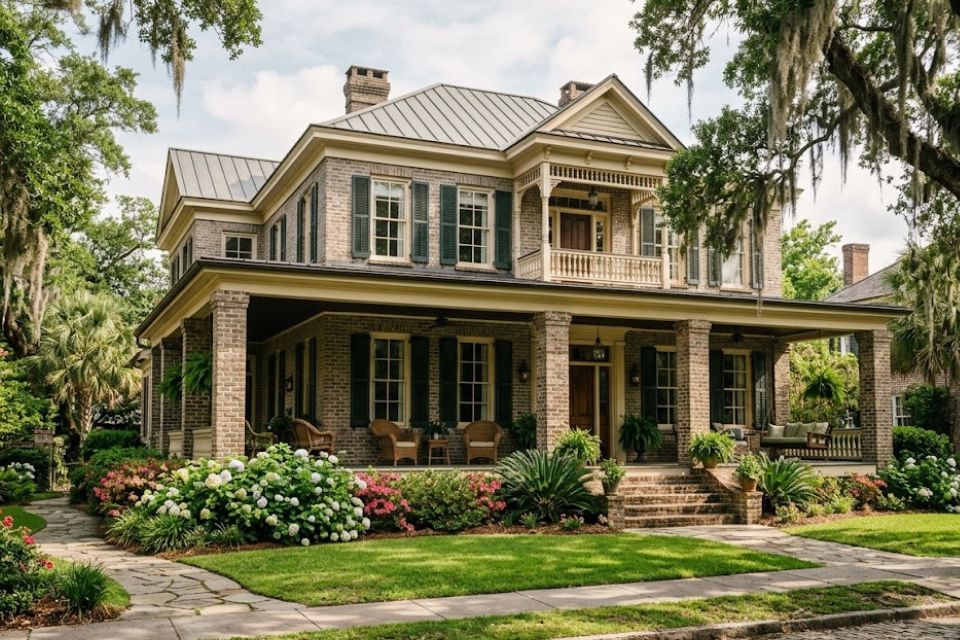
Brick-pier foundations, original wood-frame crawl spaces, hand-laid stone sills, and original-construction plumbing penetrations. Typical for Old Salem, West Salem, Holly Avenue, Ardmore, Washington Park, and Boston Thurmond. Multiple species at risk: Norway rats from sewer system, house mice from dozens of sub-1/4-inch gaps. Full exclusion programs almost always warranted.

🔴 High Risk

1940s–1970s Construction

The largest category in Winston-Salem. Includes the canopy-belt homes in Reynolda Park, Buena Vista, Mount Tabor, and Forest Hills (roof rat exposure) plus the mid-century housing across Ardmore, West End, Longview, and Konnoak (house mice). Settling over 50–80 years has widened plumbing and foundation gaps a lot from original construction tolerances.

🟡 Modest Risk

Post-1980 Construction

Newer subdivisions in Lewisville, Clemmons, Bowen Park, Sherwood Forest, and South Fork. Lower entry-point density but not immune. Common first entries. Garage door gaps. HVAC sleeve penetrations. Dryer-vent louvers. Crawl-space vent screens that were installed but never properly secured. Mouse pressure from field-edge lots is the most common presentation.

What's Included

Residential Program, Full Scope

Free Inspection

Full interior and exterior walkthrough, every room, attic or crawl space, exterior perimeter, foundation, roof line where accessible. Written findings with entry-point map and species ID. No charge, no obligation.

Written Quote

Itemized scope before any work begins. Treatment way, exclusion plan, follow-up schedule, and prevention suggestions, all in writing. No verbal estimates that change at invoice time.

Species-Right Treatment

Mouse populations: snap-trap arrays scaled to infestation size. Norway rats: perimeter bait stations plus interior trapping. Roof rats: attic trapping plus elevated bait stations. Mixed infestations get both protocols.

Entry-Point Exclusion

Physical sealing of all confirmed entry points. Mouse: sub-1/4-inch tolerance. Rat: sub-1/2-inch. Hardware cloth, metal flashing, foam with deterrent additive. Written list of every sealed point left with the homeowner.

Follow-Up Visit

At least one return visit included on every active-infestation job. We check trap knockdown, reset or remove traps, and confirm exclusion integrity. No more charge for the follow-up within the standard treatment window.

Prevention Report

Written prevention plan finding steady risk reasons specific to your property, overhanging tree limbs, unsealed utility transitions, landscape features that give shelter. What to watch for, what to address, and when to call back.

Honest Pricing

Residential Rodent Control Costs in Winston-Salem

Home Type / SituationTypical RangeNotes
Isolated mouse (newer home)$250–$450Light trap program + primary entry sealing
Set up mice (pre-1970 home)$550–$1,200Full trap program + whole-home exclusion
Norway rat (basement/crawl space)$500–$1,400Bait stations + trapping + foundation exclusion
Roof rat (canopy-belt home)$700–$2,000Attic trapping + roofline exclusion
Full program, pre-1940 historic home$1,200–$2,800Tricky foundation geometry, masonry exclusion, multi-species
Inspection only$0Always free. No obligation.

All prices are post-inspection written quote ranges. Free inspection always first. No contracts needed for any residential program.

Free Residential Rodent Inspection, All of Forsyth County

Same-day available. Open 24/7. Locally owned. Written quote before any work.

📞 Call (844) 635-0403
Residential Service Way

Factors That Change Your Specific Quote

About insurance

Standard homeowner policies exclude routine rodent work. Secondary damage — chewed wiring, contaminated insulation, gnawed plumbing — may qualify under sudden-accidental clauses with recorded evidence.

Want your real number?

Call (844) 635-0403 for a free home inspection.

Part 1, Inspection and species ID

Free, on-site, 60-90 minutes for a standard single-family home. Walkthrough of interior and exterior including attic and crawl space. Output. Written report with photos. Entry-point map. Species confirmation (house mouse. Norway rat. Roof rat. Or combination). Infestation severity review. Written quote for suggested scope. The inspection is the only part that's free, treatment work itself is priced.

Part 2, Species-right trapping

Trap selection, placement, and monitoring matched to confirmed species. House mouse work uses smaller snap traps in protected runway positions. Norway rat work uses larger traps along ground-level travel routes plus exterior tamper-resistant bait stations. Roof rat work uses likewise-sized traps in attic positions plus elevated bait stations. Mixed-species properties get layered setup. Monitoring visits every 2-5 days during high-activity phase.

Part 3, Physical exclusion sealing

Every entry point found during inspection gets sealed with right materials. This is the part that turns short-term population reduction into durable resolution, without it, new rodents enter through unsealed openings within months. Exclusion usually takes 1-3 days of work based on entry-point count and property trouble.

Part 4, Check and follow-up scheduling

7-14 day check period after exclusion with reduced trap density. Zero new activity confirms program finish. Final written report records the entire scope. Optional check-back inspection scheduled for 12-24 months to catch new weaknesses before populations re-set up.

What's NOT in the standard residential program (priced separately)

Heavy contamination cleanup (PPE-grade droppings cleanup), insulation replacement, crawl-space waterproofing, structural repair, tree trimming, or HVAC duct cleaning. These add-ons are priced as separate line items where the inspection finds the need. Customers can opt in or out of each. The base residential program is transparently scoped so the invoice doesn't expand beyond what was agreed.

Typical residential program price ranges

Limited single-species treatment: $320-$650. Standard residential program with full exclusion: $850-$1,800. Multi-species or set up-infestation program: $1,400-$3,200. Add-ons priced separately. The free inspection makes the written quote before any work begins.

Common Questions

Residential Rodent Control FAQs

What does residential rodent control include in Winston-Salem?

A full residential program covers four pieces: free inspection with written findings and entry-point map. Species-right treatment (snap traps and/or exterior bait stations based on species confirmed). Physical exclusion sealing all entry points to the correct tolerance for the species. And at least one follow-up check visit. Cleanup services are available as add-ons where contamination warrants it.

Do I need to leave my home during rodent treatment?

No. Our standard residential way uses snap traps in protected runway positions and tamper-resistant exterior bait stations, neither needs vacating the property. We advise separating pets from active trap areas during the first 24 hours and walk through placement specifics with you before any traps are set.

How is a residential program different from a one-time service?

A residential program combines treatment and exclusion in a single arranged scope, we don't just trap and leave. The inspection maps the entry points, the treatment achieves knockdown, the exclusion prevents re-entry, and the follow-up checks resolution. A one-time trap service without exclusion resolves the current population but doesn't prevent the next one from entering through the same gaps.

What Winston-Salem home types need rodent control most often?

Pre-1970s construction is by far the highest-risk category, the bungalows and mill-village homes in Ardmore, West End, and Holly Avenue. The brick-pier and masonry housing in Old Salem and West Salem. And the 1920s–1960s homes in the Reynolda canopy belt. Newer construction is lower risk but not immune, HVAC penetrations and garage door gaps are common first entry points.

What's included in the prevention report at the end of the program?

The written prevention report finds steady risk reasons specific to your property that aren't addressed by the exclusion work. Usually overhanging tree limbs that should be trimmed to reduce roof-rat access, landscape features that give ground-level shelter. And any secondary entry points that weren't sealed because they're not actively exploited but could become so. It's a reference record, not a sales tool for return visits.

Is residential rodent control different from commercial?

Different scope and structure. Residential focuses on a single-family home. The pressure patterns are predictable. Usually one species at a time. Commercial needs recorded programs. Scheduled monitoring. Multi-tenant planning. Health-code-compatible records. The treatment methods overlap. The program structure doesn't.

Do I need a contract for residential rodent control?

No. We don't do contract-based residential service. Each engagement is a defined-scope job with a written quote, complete in itself. If recurring service makes sense (rare for residential), we'll schedule it on demand rather than auto-renew. Customer feedback on contract-based pest companies drives the no-contract policy.

How is the residential program priced?

By scope, not by square footage alone. Inspection finds the actual work. Many traps. Exclusion gap count. Follow-up visit count. Any contamination cleanup needed. The written quote details everything before work begins. Typical residential programs run $350-$1,400. Tricky jobs can run higher.

Can the residential program be done during the workday while I'm out?

Yes, with earlier planning. We can work an unoccupied residential property if a key or lockbox is gave and the scope doesn't need homeowner walkthrough. First inspection usually needs homeowner presence (to ID problem areas) but follow-up monitoring visits don't.

Related Services

Often Combined with Residential Rodent Control

📞 Call (844) 635-0403, Open Now