Free Inspection ยท Same-Day Available

Mouse Proofing & Sealing Entry Points in Winston-Salem, NC

Mouse proofing is the precision exclusion work that closes every gap a house mouse can exploit, any opening at or above 1/4 inch. It is the most labor-intensive exclusion scope in residential rodent control because the tolerance is roughly half that needed for rat exclusion, and the gaps are often concealed inside cabinet bases, behind appliances, and beneath floor plates where routine inspection misses them.

๐Ÿ“ž Call (844) 635-0403All 33 Services
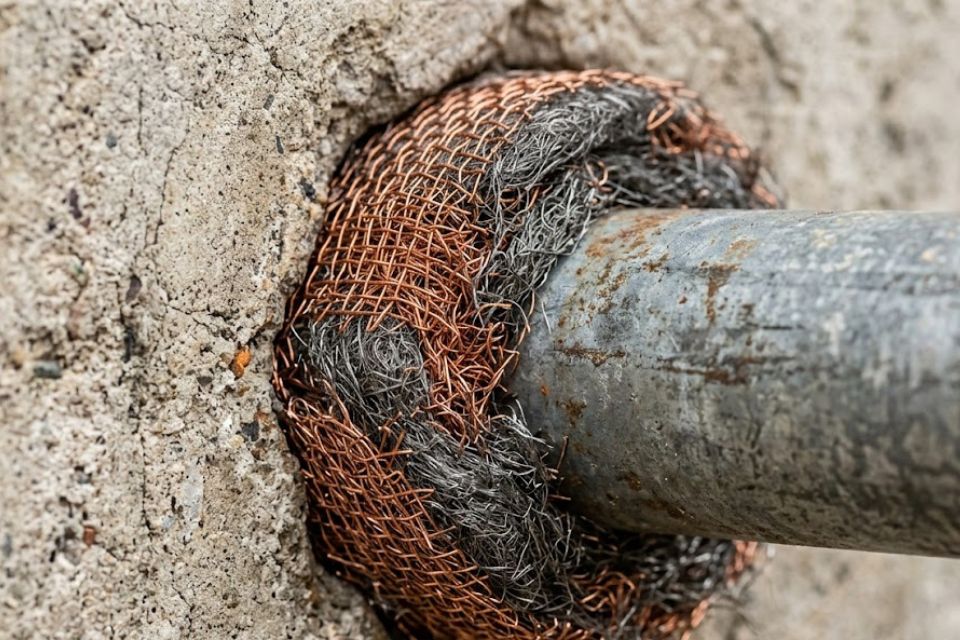
Mouse proofing, sealing sub-1/4-inch entry points in a Winston-Salem home
NC-licensed structural pest control. Written guarantee on exclusion work. Same-day dispatch before mid-afternoon. Recorded records for Forsyth County Health Dept.
๐Ÿ”ง Tech Insight

Steel wool packed into a gap and sealed with polyurethane is the standard for sub-quarter-inch openings. Mice can't chew through the steel. The polyurethane holds it in place. Hardware cloth (quarter-inch galvanized) handles larger openings at vents and crawl spaces. Pre-1940 homes need preservation-grade options. Copper mesh and lime mortar instead of cement and standard sealants.

๐Ÿ“‹ Real Case

A 1935 Boston Thurmond (27101) home had recurring mouse activity despite three prior treatment cycles by other providers. We did a full envelope mapping that found 22 entry points (vs the 6 the prior providers had addressed), and sealed everything in one 2-day work block. The property has stayed clear for 16 months on quarterly monitoring. Scope: $1,480.

The 1/4-Inch Standard, Why Mouse Proofing Needs Precision

The 1/4-Inch Standard, Why Mouse Proofing Needs Precision

Mouse exclusion is different from rat exclusion in one critical dimension: the gap standard. A rat needs a 1/2-inch opening. A mouse needs only 1/4 inch, roughly the diameter of a standard pencil. That 1/4-inch threshold is the reason mouse proofing jobs take longer, cost more per linear foot, and need a more systematic inspection way than rat exclusion.

In Winston-Salem's pre-1970s housing stock, the density of sub-1/4-inch-closeable gaps on a typical property is high. A single kitchen base cabinet usually has 3โ€“5 plumbing penetrations. A 1920s bungalow crawl space usually has 8โ€“12 foundation vent openings, multiple utility sleeves, and an access panel with a perimeter gap. A pre-1940 door frame may have 1/4-inch settling gaps at both threshold and head jamb. The inspection maps every one before the quote is issued.

Kitchen

Supply Line Penetrations

Kitchen supply lines (water, gas) pass through the cabinet-base floor plate in gaps that are almost always larger than 1/4 inch at original setup and widen with use. These are the most common mouse entry points in Winston-Salem homes, and the most often missed because they're hidden behind under-sink items.

Utility Spaces

HVAC & Dryer Penetrations

HVAC flex-duct returns, dryer-vent louvers, and furnace-line penetrations are standard mouse entry points in both older and newer construction. The sleeve around a dryer vent is usually 4โ€“5 inches in diameter. The duct itself is 4 inches, leaving a ring gap of up to 1/2 inch around the full circumference.

Foundation

Crawl Space & Vent Gaps

Original crawl-space foundation vents in pre-1970s Winston-Salem construction were installed without rodent-proof screening often, or with screen mesh that has since corroded or torn. Each vent opening without functional 1/4-inch mesh is a full mouse-access point. A typical Ardmore crawl space has 6โ€“10 vents.

Doors & Thresholds

Worn Sweeps & Frame Gaps

Door sweeps on exterior doors wear to gaps that exceed 1/4 inch within 5โ€“7 years of setup. Settling gaps at head jambs on pre-1940 wood-frame doors can reach 3/8โ€“1/2 inch. Garage doors without rodent-resistant threshold seals are complete open doors to mice. All are identifiable and sealable on the inspection walk.

Mouse Proofing Materials for Winston-Salem Homes

Mouse Proofing Materials for Winston-Salem Homes

Material selection depends on the gap location, construction era, and gap size. The combination we use most often in Forsyth County residential work:

Primary Material

Stainless Steel Mesh

1/4-inch stainless-steel hardware cloth is gnaw-resistant, corrosion-resistant, and the correct mesh size for mouse exclusion. Used at crawl-space vents, utility sleeve surrounds, and structural gaps where a rigid insert is right. Powder-coated or plain based on visibility need.

Pipe Surrounds

Paintable Siliconized Caulk + Mesh Insert

Plumbing penetrations in cabinet bases are sealed with stainless-steel escutcheon plates plus paintable siliconized caulk for any residual gap. The combination creates a gnaw-resistant, paintable, renter/guest-invisible seal. Standard for kitchen and bathroom supply-line work.

Door & Threshold

Heavy-Gauge Stainless Steel Sweep

Door sweeps replaced with heavy-gauge stainless-steel bristle or solid-neoprene models rated to close gaps to 1/8 inch. Threshold seals at garage doors upgraded to rodent-resistant rubber or aluminum-frame neoprene products. Standard hardware-store sweeps are not adequate for mouse proofing.

Foam Supplement

Capsaicin-Additive Expanding Foam

Expanding foam with rodent-deterrent capsaicin compound used as a backer behind mesh inserts, not as a standalone seal. Foam alone is not gnaw-resistant. Mice will chew through standard polyurethane foam. Used with mesh, it fills voids behind the primary seal and adds deterrent effect.

Free Inspection, Winston-Salem & Forsyth County

Written quote. No contracts. Open 24/7.

๐Ÿ“ž Call (844) 635-0403
Method Detail

How Mouse Proofing Differs from Standard Pest Control

Mouse proofing is a different category of work from standard pest treatment. Standard pest control kills active pests. Mouse proofing physically prevents future entry. Five practical differences shape how the work runs.

Inspection depth

Standard pest inspection finds obvious activity routes. Mouse proofing inspection finds every gap wider than a quarter inch, the size threshold mice compress through. A pre-1970 Winston-Salem home usually has 20-35 such gaps. Newer construction has 8-15. The inspection takes 90-120 minutes versus 30-45 for standard inspection because every gap location needs records and material specification.

Material precision

Mice cannot chew through metal fibers or hardened sealants but compress through any softer material. Needed materials: copper or stainless steel wool (for plumbing penetrations behind escutcheons), 1/4-inch galvanized hardware cloth (for foundation vents and large gaps), polyurethane caulk (for tight cracks under 3/8-inch), galvanized steel sheet (for major penetrations like wash-tray drain openings or HVAC sleeves), weather stripping (for door and window thresholds), and silicone-only for moisture-exposed locations. Foam alone is never used as a primary seal, mice chew through expanding foam within weeks.

Sequencing matters

Exterior work happens before interior work because external pressure decreases interior re-entry attempts. Within exterior work. Foundation perimeter first. Then vents. Then rooflines. Within interior work: kitchen/laundry penetrations first (highest mouse traffic), then attic and crawl-space penetrations. Each sealed location gets logged for follow-up check.

Mouse-grade is the highest exclusion standard

A property excluded to mouse standard is also excluded to rat standard and squirrel standard, the smaller gap-size threshold covers larger pests by default. Rat-only exclusion (1/2-inch threshold) costs less but leaves mice able to enter. Mouse-grade is the thorough option.

Records deliverable

Written record of every sealed location with photos and materials used. The record satisfies most insurance records needs, future property-sale disclosure needs, and historic-preservation review where applicable. Typical mouse-proofing job makes 15-30 recorded sealed locations on residential properties.

Typical pricing

Limited mouse proofing on newer construction: $480-$950. Standard residential mouse proofing on pre-1970 construction: $1,200-$2,400. Historic-property mouse proofing with preservation-grade materials: $2,400-$4,800.

Factors That Change Your Specific Quote

About insurance: Exclusion work is preventive โ€” not reimbursable under homeowner insurance. The investment usually pays back through avoided damage rather than insurer reimbursement.

Want your real number? Call (844) 635-0403 for a free entry-point mapping.

Common Questions

FAQs

What gap size do mice need to enter a home?

A house mouse can compress its body through any gap 1/4 inch or larger, roughly the diameter of a standard pencil or a US dime. This is the standard that mouse proofing must meet: every exterior gap above 1/4 inch must be closed with gnaw-resistant materials for the exclusion to be good.

How many entry points does a typical Winston-Salem home have?

A pre-1970s home in Ardmore or the West End usually has 15โ€“35 closeable mouse-scale entry points on a thorough inspection. Kitchen and bathroom plumbing penetrations. Crawl-space vent screens. HVAC and dryer-vent surrounds. Door sweeps. Garage door threshold. Foundation-grade gaps. Newer homes usually have 6โ€“15. All are mapped before the quote is issued.

Do I need mouse proofing if my home is new construction?

Newer construction has fewer entry points but is not immune. HVAC flex-duct sleeve penetrations, garage door thresholds without rodent-resistant seals, and dryer-vent louvers are standard mouse entry points in homes built after 2000. A pre-purchase or pre-occupancy inspection finds which apply to a specific property.

What does mouse proofing cost in Winston-Salem?

Kitchen and laundry penetration sealing for a typical single-family home runs $300โ€“$600. Whole-home mouse proofing, all confirmed and probable entry points, runs $600โ€“$1,400 for pre-1970s construction with tricky crawl-space and foundation geometry. Inspection is free. Written quote before any work begins.

How small is a sub-1/4-inch gap really?

About the diameter of a number-2 pencil. A mouse compresses its body through any opening that size or larger. The sealing standard is unforgiving, gaps that look insignificant to homeowners are entry points to mice. The inspection finds every gap meeting that threshold.

Where are the most common mouse entry points in Winston-Salem homes?

Five categories make most of the activity. (1) sink drain escutcheons (the trim ring under sinks). (2) HVAC supply-line penetrations through wall plates. (3) crawl-space foundation vents with degraded screens. (4) exterior door thresholds with worn weatherstripping. (5) garage door bottom corners where seal degrades. The mix varies by construction era.

What materials seal mouse-scale gaps?

Copper or stainless steel wool (mice can't chew through metal fibers), 1/4-inch hardware cloth (for larger holes). Expanding foam (only as backing, never as primary seal, since mice can chew it). Polyurethane caulk (for tight cracks), galvanized steel sheet (for major penetrations). Material choice depends on gap location and structural context.

Will mouse proofing affect ventilation in my home?

No. Properly-screened vents keep airflow specifications while excluding mice, hardware cloth installed behind louver slats doesn't reduce the open area meaningfully. Crawl-space and attic ventilation calculations remain compliant with code. We measure where needed and record any changes.

How long does a typical mouse-proofing job take to complete?

1-3 days for the sealing work itself. The full program (inspection + trap setup + sealing + check) runs 2-4 weeks. The sealing phase is the shortest part. Trap setup and check take longer.

Related Services

Often Combined

๐Ÿ“ž Call (844) 635-0403, Open Now