Free Inspection · Records Gave

Commercial Rodent Control in Winston-Salem, NC

Commercial rodent control is rat and mouse work for non-residential properties. Office buildings. Retail centers. Mixed-use sites. The Innovation Quarter's growing commercial corridor. Three things make commercial work different from residential. The records needs are heavier. Scheduling has to fit around business hours. And the larger building footprints need systematic perimeter programs rather than room-by-room interior treatment.

📞 Call (844) 635-0403All 33 Services
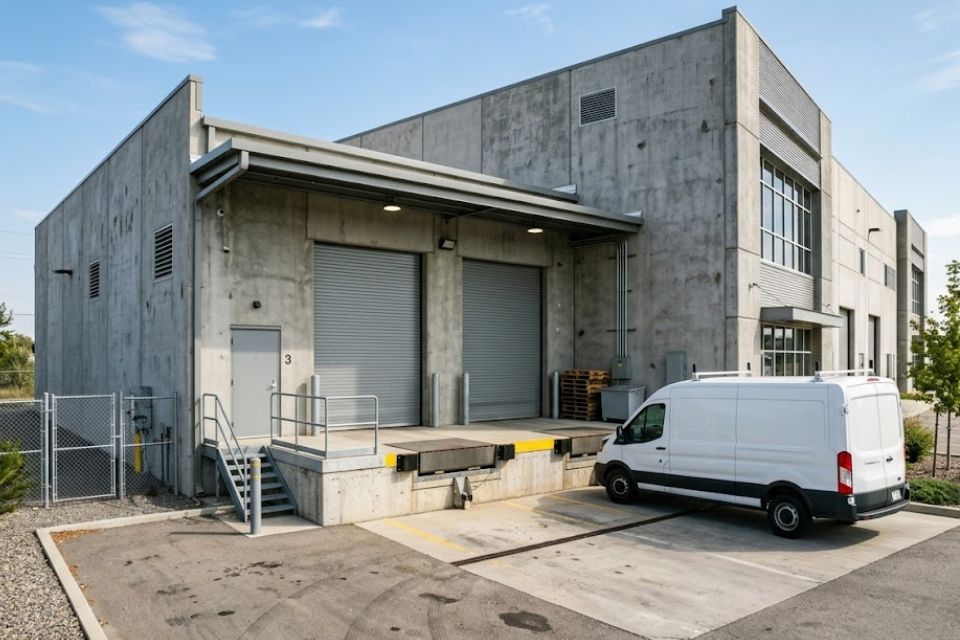
Commercial rodent control bait station at a loading dock in Winston-Salem
NC-licensed structural pest control. Written guarantee on exclusion work. Same-day dispatch before mid-afternoon. Recorded records for Forsyth County Health Dept.
🔧 Tech Insight

Commercial rodent pressure is shaped by adjacency more than internal sanitation. A spotless restaurant kitchen sitting over the city's original 1920s sewer trunk faces Norway rat pressure on its own. Downtown Winston-Salem properties along 4th Street and Trade Street sit over Forsyth County's oldest brick-lined sewer mains. Those lines sustain regional rodent populations.

📋 Real Case

A downtown (27101) office building reported scratching in the basement utility corridor during after-hours. We installed 12 tamper-resistant exterior bait stations along the perimeter and 8 interior stations in mechanical rooms, ran weekly monitoring for 6 weeks, then quarterly maintenance. Scope: $980 setup + $220/quarter ongoing. Building has stayed clear for 14 months.

Winston-Salem Commercial Rodent Pressure

Where Commercial Buildings Face the Most Risk

Commercial rodent pressure in Winston-Salem is highly geographic. Three corridors account for most commercial rodent control calls in Forsyth County.

Highest Pressure

Innovation Quarter & 4th Street Corridor

Downtown Winston-Salem's densest commercial zone has four things at once. Restaurant work. Loading-dock access. Older masonry buildings. And the city's oldest sewer lines. Norway rat pressure is steady year-round. Multi-tenant buildings face the challenge of activity in shared loading and utility areas spreading into individual tenant spaces.

Industrial / Warehouse

Hanes Mall Road & Stratford Road

Large industrial and warehouse properties along these corridors face perimeter bait-station programs that many owners under-resource. Loading dock gaps. Dock leveler seals. Landscaping next to large concrete slabs. All three create Norway rat access and shelter. Facility-wide programs are more cost-good than reactive spot treatments.

Retail / Mixed-Use

Reynolda Village & Stratford Commons

Mixed retail and office properties in the Reynolda Road corridor face two pressures at once. Norway rat ground-level pressure from older construction. And seasonal mouse pressure from the canopy and landscaping nearby. Tenant-specific treatment has to be arranged with property-handling reporting needs.

Medical / Office

Wake Forest Baptist Medical District

Medical office buildings and research facilities need extra care. Both around treatment methods and records. We default to mechanical exclusion. We use protected tamper-resistant station setup. The written treatment records come in the format most medical facility rule-following programs expect.

Commercial Program

What Commercial Rodent Control Includes

Site Survey

Full exterior perimeter walk plus interior common areas, loading docks, utility rooms, and found tenant spaces. Evidence mapping with entry-point records. Free. Written report formatted for property management review.

Perimeter Program

Exterior tamper-resistant bait station setup. We place them at entry points, dock areas, landscaping perimeters, and utility penetrations. Station count and placement are set to match the building footprint and the evidence we found in the survey.

Interior Treatment

Where interior activity is confirmed, utility corridors, break rooms, storage areas, snap-trap stations placed in protected runway positions. Scheduled around business hours for minimal disruption.

Exclusion

Physical sealing of loading-dock gaps, door thresholds, utility sleeves, and foundation penetrations. Dock-leveler seal suggestions. Written exclusion list for facilities handling records.

Records

Service report after each visit. Evidence found. Treatment placed. Locations. Formatted for health-department, property-handling, and insurance audit needs. Available in PDF or email format.

Steady Monitoring

Optional scheduled return visits for perimeter station checks. Monthly for high-pressure properties. Quarterly for lower-risk. No required contract. We adjust visit frequency to match the activity level.

Commercial Rodent Control Across Winston-Salem, Free Site Survey

Records gave. Off-hours scheduling available. Open 24/7.

📞 Call (844) 635-0403
Program Structure Detail

How Commercial Rodent Programs Are Structured

Commercial work runs differently from home work. The job has more paperwork. It has to fit around business hours. And it runs as a steady program, not a one-off project. Four parts shape how commercial programs work in Winston-Salem.

First survey and baseline

We walk every interior and exterior space we can access. We mark rodent-vulnerable zones — food storage, loading docks, dumpster areas, break rooms, exterior trash. We check current conditions. Then we recommend a program. Larger properties take 3-5 hours. Small commercial spaces take 1-2. You get a written facility report and a program recommendation.

Service cadence

Restaurants and food service: monthly at a minimum, often every two weeks in peak rat season (October through March). Retail with food handling, like grocery or convenience stores: monthly standard. Warehouses and storage: monthly for high turnover, quarterly for stable storage. Offices and pro spaces: quarterly when nothing's active, monthly when something is. Every visit covers bait stations, interior monitoring, contamination checks, and written records.

Records

Every visit makes a record. Date, technician name, what we did, what we used, what we saw, what we recommend, and when we're back. The format matches what Forsyth County health inspectors want to see. Commercial clients also get a monthly summary that rolls up every visit for owner or property-handling review.

Emergency response

Commercial accounts get priority dispatch for active situations. A restaurant with a mid-service rodent sighting. A warehouse with inventory contamination. An office with an after-hours emergency. Emergency dispatch for accounts on a commercial program usually has no extra surcharge beyond the program rate.

Typical commercial program pricing

Small restaurant (under 2,500 sq ft): $180-$320 monthly. Mid-sized restaurant or retail (2,500-8,000 sq ft): $320-$650 monthly. Warehouse or large facility (8,000-25,000 sq ft): $580-$1,400 monthly. Larger facilities priced by walkthrough. Setup fee (first month including baseline review): usually 1.5-2x the standard monthly rate.

Service Transition

Transitioning from Current Pest Service

Many commercial accounts sign up while moving away from another pest-control provider. Three things affect how that transition runs.

First, the current service contract usually has a notice-of-termination clause needing 30-60 days advance notice. We can run a parallel survey during that window to map current conditions, find any gaps in the current program, and design the new program structure for activation when the old contract ends.

Second, the bait stations on the property now were placed by the prior provider. They're owned by that provider. They get pulled when their service ends. Our setup places new tamper-resistant stations. We match the stations to the facility's actual rodent-pressure profile. That often differs from the prior provider's standard template.

Third, records continuity matters for facilities subject to health-code inspection. Our intake captures the current service history (where the customer can supply it), reviews any active violations or follow-up needs, and aligns the new program records format with what local inspectors expect. The transition gap should be days, not weeks, and the new records should pick up cleanly from where the previous service stopped.
Factors That Change Your Specific Quote

About insurance: Commercial pest management is an operating expense, not an insurance claim. Business interruption from a health-code closure may be covered under specific BI riders. We provide the recorded service trail health inspectors need.

Want your real number? Call (844) 635-0403 for a free commercial site walkthrough.

Common Questions

Commercial Rodent Control FAQs

What commercial property types in Winston-Salem need rodent control most?

Food-service work in the Innovation Quarter and 4th Street corridor face the highest pressure, restaurant and retail density plus older masonry building stock creates persistent Norway rat activity. Office buildings in the downtown corridor with loading-dock access are next. Industrial and warehouse properties along Hanes Mall Road and Stratford Road are third.

Do you give records for commercial property inspections?

Yes. Every commercial inspection produces written findings. We record evidence type. Location. Severity. Treatment records note exactly what was placed. Where. And when. The format works for the health department. Fire marshal. And property-handling reporting.

Can you work during off-hours to minimize business disruption?

Yes. For retail and food-service work where daytime treatment would disrupt customers or staff, we schedule early-morning or after-closing work. Interior trap placement and interior inspections during business hours are available for work where discreet daytime access works best.

Do you handle multi-tenant buildings?

Yes. Multi-tenant properties need arranging between common-area treatment and individual-tenant access. We work with property managers to set up a recorded service record that covers shared spaces and can be shared with tenants or HOA boards as needed. Tenant-specific access is scheduled independently where interior treatment is needed.

What kind of commercial properties do you serve?

We work restaurants. Retail. Office buildings. Mixed-use sites. Warehouses. Light industrial. And the older masonry commercial buildings around downtown and the Innovation Quarter. We don't do facility-scale pest management. That's a different licensing tier. We do cover rodent work across most commercial property types.

Do you give records for health-code inspections?

Yes. You get written service records. Date. Scope. Materials used. Technician name. Follow-up schedule. The format is built to satisfy Forsyth County health-inspector rules. These come standard on every commercial visit. They're not an extra.

Can commercial rodent work happen during business hours?

Often yes, with planning. Exterior bait station service and exterior inspection happen during business hours all the time. Interior work that touches customer areas happens off-hours or before and after business. We schedule around running hours. Same-day emergency response is on standby for active situations.

Is there a monthly retainer needed for commercial accounts?

Not needed. Some commercial clients run rolling preventive-inspection programs (usually monthly or quarterly). Others schedule on demand. Both ways work. We don't push retainer programs, they make sense for some work but not all. Conversation on the inspection decides what fits.

Are commercial rates different from residential?

Yes, scope-dependent. Commercial scope usually includes larger property footprint, more service stops per visit, and records overhead that residential doesn't have. Hourly equivalent rates are similar. Per-visit cost reflects the expanded scope. Written quotes detail the per-line pricing before service begins.

Related Services

Often Combined with Commercial Rodent Control

📞 Call (844) 635-0403, Open Now