Heritage-Compatible Methods · Free Inspection

Historic Home Rodent Control in Winston-Salem, NC

Historic home rodent control is exclusion and treatment work for properties where preserving the original building fabric matters as much as solving the infestation. In Winston-Salem, that mostly means three areas. The Moravian-era buildings in Old Salem. The Victorian and early-twentieth-century housing of the West End and Holly Avenue. And the pre-1940 housing stock across Washington Park and Boston Thurmond. All of these present exclusion challenges that standard residential methods aren't tuned for, and using the wrong method can damage the original fabric.

📞 Call (844) 635-0403All 33 Services
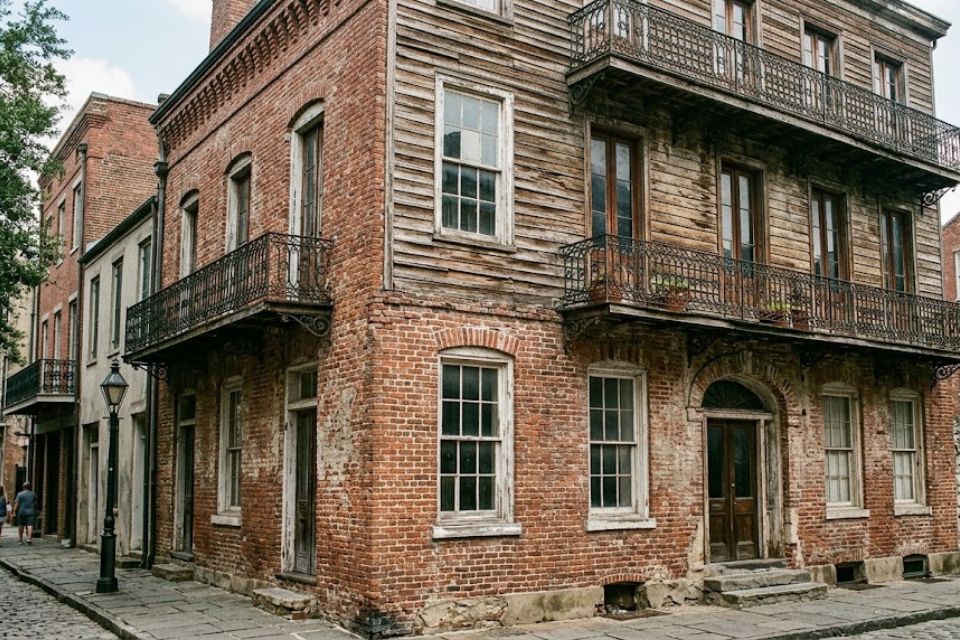
Pre-1940 brick-pier foundation showing mortar gaps, historic home rodent exclusion in Old Salem
NC-licensed structural pest control. Written guarantee on exclusion work. Same-day dispatch before mid-afternoon. Recorded records for Forsyth County Health Dept.
🔧 Tech Insight

Historic-property exclusion uses lime-compatible mortar for masonry joints. Not modern Portland cement. Portland is harder than the nearby 1800s brick. Differential thermal expansion cracks the original brick over 5 to 10 years. Lime mortar matches the original assembly's hardness and breathability. The wall can move and dry without trapping moisture in the cavity.

📋 Real Case

An Old Salem (27101) 1830s Moravian-era home had Norway rats entering through a failing mortar joint at a basement window well. We paired with an Old Salem Inc.-approved mason for lime-mortar repointing, screened the window well with color-matched copper mesh, and installed a discreet exterior bait station behind original landscape edging. Scope: $1,850 (exclusion + mortar work).

What Makes Historic Homes Different

Three Construction Realities That Change the Way

Winston-Salem's historic housing stock presents rodent exclusion challenges that fall into three categories, each needing a different method selection than standard modern construction.

Brick-Pier and Stone-Sill Foundations

Old Salem, West Salem, and Washington Park's oldest housing was built on brick-pier foundations with hand-laid stone sills. Over a century and a half of Piedmont clay seasonal movement, pier mortar joints have opened to widths that easily admit Norway rats. The challenge: Portland cement mortar repairs on historic brick accelerate spalling because the cement is harder than the original brick and concentrates stress at the brick face rather than the joint. We use lime-compatible mortar formulations matched to the original material, which are both rodent-resistant and preservation-right.

Original Wood-Frame Construction

Pre-1940 wood-frame construction in the West End, Holly Avenue, and Boston Thurmond has its own problems. Floor-plate gaps. Balloon-frame wall voids. Original window and door frames with settling gaps. These are an upkeep reality of the building type. Expanding foam, the standard modern gap-filler, can stress original woodwork in tight cavities. We use stainless-steel mesh inserts and paintable siliconized caulk as the lead exclusion materials in wood-frame historic gaps, reserving foam for locations where the structural tolerance handles it.

Canopy-Belt Rooflines

West End, Old Town, and Holly Avenue properties in the Reynolda canopy belt face roof rat pressure on top of ground-level Norway rat and mouse activity. Roofline exclusion on historic homes is delicate. The original wood fascia, decorative soffit detail, and slate or original-clay-tile roofing all need the right materials. The wrong material compromises the roofline character. We walk through the specific roofline condition and any preservation problems with you before we propose materials for upper-building work on a historic home.

PieceStandard MethodHistoric-Compatible Method
Brick mortar jointsPortland cement repairLime-compatible mortar, matched to original
Wood-frame floor plateExpanding polyurethane foamStainless-steel mesh + paintable siliconized caulk
Crawl-space ventsHardware-cloth insertPowder-coated steel vent screen, matching finish
Soffit gapsPainted aluminum flashingPainted wood closure, material matched to original
Foundation utility sleeveHydraulic cementLime mortar collar + stainless-steel mesh
Gable ventsHardware-cloth insertPeriod-right screened vent replacement
Window/door thresholdStandard door sweepBronze or painted-steel threshold matching hardware era
Old Salem District Note

Properties within Old Salem Historic District that fall under Old Salem Inc. and Forsyth County preservation guidelines may need review of certain exterior alterations. We are familiar with these needs and arrange so. Interior work and non-visible exterior sealing usually don't need review.

Historic Areas We Serve

Winston-Salem Heritage Neighborhoods

Oldest Stock

Old Salem Historic District

Eighteenth and nineteenth-century Moravian buildings and reconstructions, plus the residential fabric around them through the early twentieth century. Norway rat pressure from sewer lines. House mice in original construction gaps. The most tricky exclusion work in Winston-Salem. The reasons are two. Preservation rules. And the age of the building fabric.

Victorian Belt

West End & Holly Avenue

Late nineteenth and early twentieth century housing. Victorian. Queen Anne. Craftsman. They share balloon-frame construction, original plumbing, and tricky roofline detail. Norway rat and mouse pressure at foundation grade. Roof rat risk for properties near mature canopy. The original wood detailing needs careful material choice.

Moravian Residential

Washington Park & Boston Thurmond

Pre-Civil War and early Reconstruction housing. The range runs from modest worker cottages to larger period homes. Hand-laid foundations. Original floor framing. Minimal subfloor vapor control. Together these create the highest mouse-infestation density in the city. Norway rats get in through the older utility lines.

Mixed Era

Ardmore & Konnoak

1920s to 1940s craftsman bungalows and period revival housing. These have settling foundations and original plumbing penetrations. They're not under historic overlay zoning usually. But the construction is the same kind that needs the careful exclusion way we use on formally designated historic properties.

Heritage-Compatible Rodent Control, Old Salem, West End, and All Historic Winston-Salem

Free inspection. Written quote. Methods matched to your building's construction era.

📞 Call (844) 635-0403
Method Detail

Historic-Property Methods That Standard Pest Control Doesn't Use

Historic homes in Old Salem, the West End, parts of Boston Thurmond, and the older West Salem blocks need rodent treatment methods that respect original building fabric. Five specific differences distinguish heritage-right work from standard residential pest control.

Lime mortar repointing rather than Portland cement

Pre-1920 brick masonry was laid in lime mortar, a lot softer than the Portland cement that became standard in the 1920s. Portland cement repairs on historic brick cause differential expansion stress during temperature cycling, accelerating spalling and surface loss in the original brick face. We use lime-based mortar for repointing visible historic joints; Portland cement is reserved for non-visible or non-historic locations. The material costs more and cures slower but doesn't damage the original masonry.

Color-matched hardware cloth installed behind the current details

Standard exclusion installs galvanized hardware cloth over vents. It's visible from the street and disrupts the look. Historic-right exclusion uses color-matched aluminum or coated hardware cloth. We install it behind current soffit louvers and gable vents, invisible from the street, original detailing preserved. The work takes longer but reads cleanly.

Breathable fillers for masonry joints

Historic brick assemblies need to breathe. Moisture vapor has to move through the joints. Otherwise water builds up in the wall cavity. Modern non-breathable sealants like silicone and urethane caulks trap moisture. They damage historic masonry over time. We use breathable fillers for joint work on historic properties. Lime-based mortars. Historic-compatible sealants.

Preservation review planning

Properties inside the Old Salem Historic District or the West End Historic District overlay may need Old Salem Inc. or Forsyth County historic-preservation review for certain exterior changes. We work alongside the review steps. Interior work and crawl-space work usually don't need review. Visible exterior changes might. The records we give you satisfies the review-work paperwork.

Written exclusion map as a preservation-grade deliverable

Standard residential exclusion makes a customer record. Historic-property exclusion makes a preservation-grade record. We log every sealed location. We photo before and after. We note the materials used. The method. The date. The record is archive-ready. It helps when you sell the property. Or file an insurance claim. Or work with a building-envelope contractor later.

Historic-property pricing

15 to 30 percent over the standard residential price. Three things drive the premium. Materials. Labor. Records. Lime mortar, color-matched hardware, and breathable fillers cost more. The labor takes slower, careful methods. And the records are preservation-grade. The free inspection makes the written quote.

Factors That Change Your Specific Quote

About insurance: Standard policies don't cover routine pest work. Historic-property owners with specialized riders may have coverage for secondary damage to period fabric — we provide preservation-grade records suitable for both insurer and historic-review submission.

Want your real number? Call (844) 635-0403 for a free historic-property assessment.

Common Questions

Historic Home Rodent Control FAQs

How do you seal rodent entry points without damaging historic fabric?

Historic exclusion work uses reversible, low-impact methods. At brick-pier foundations with failing mortar, we use lime-compatible mortar repair. Not Portland cement. Portland cement can damage historic brick because it hardens differently. At wood-frame gaps, we use stainless-steel mesh inserts. Not expanding foam. The foam can stress original woodwork. We record all work with before-and-after photos and a written summary of the materials.

Do Old Salem Restoration guidelines affect your exclusion work?

Properties within the Old Salem Historic District are subject to Old Salem Inc. guidelines. They're also subject to Forsyth County historic-preservation review for certain exterior changes. Rodent exclusion work that changes visible exterior parts may need review. Repointing mortar joints on street-facing walls is one example. We know these rules. We talk through the scope of work and the property's historic designation before any exterior work begins.

What rodent species are most common in Winston-Salem's historic homes?

Norway rats are the dominant species in Old Salem, West Salem, and the Washington Park corridor due to proximity to the city's oldest sewer system. House mice are pervasive in all pre-1940 housing due to the construction tolerances of the era. Roof rats show up in historic homes that fall within the Reynolda canopy belt, Old Town, West End, and Holly Avenue properties with mature canopy adjacency. Mixed infestations are common in the oldest properties.

Is it harder to rodent-proof a historic home than a newer one?

Yes, in two ways. First, historic homes have more entry points, decades of settling have widened gaps that started small. Second, some exclusion methods right for modern construction are too aggressive for historic fabric. The inspection maps every entry point and finds which need specialty materials or techniques. Honest scoping means you know the trouble level and cost range before we start, and we don't underscope to win the job.

Do you charge more for historic home work?

Historic exclusion jobs do usually cost more than equivalent modern-construction jobs because the material selection and application care take more time. We don't charge a premium label, the cost reflects actual materials and labor. Written quote after inspection with the scope fully described, so you can compare it clearly.

What makes historic homes different for rodent work?

Materials and methods. Pre-1925 construction uses lime mortar that's softer than modern Portland cement. Standard sealing techniques damage it. Original wood framing accepts targeted methods but not aggressive ones. Visible exterior alterations on properties within the Old Salem or West End historic district overlays may need preservation review. The work is methodical rather than fast.

Does historic home work cost a lot more?

Usually 15-30% premium over standard residential. The premium reflects materials (lime-based mortars, color-matched hardware, breathable fillers), labor (slower careful methods), and records (written exclusion maps that satisfy preservation needs). Free inspection makes the written quote.

Will the rodent work be visible from the street after finish?

No, that's a deliberate design need on heritage properties. We use color-matched aluminum hardware cloth installed behind current soffit vents (not over them), stainless steel wool packed into mortar joints (invisible from outside), and weather-stripping inset under original doors. Street-facing aesthetics stay intact.

Are there contractors you arrange with for historic-district approval?

Yes. We work alongside preservation-aware masonry, roofing, and pest-planning contractors. They know the Old Salem Inc. and Forsyth County historic-preservation review steps. The planning can stretch the program timeline. The work itself goes without preservation conflict.
Related Services

Often Combined with Historic Home Rodent Control

📞 Call (844) 635-0403, Open Now