Free Inspection ยท Written Quote

Rodent Exclusion Services in Winston-Salem, NC

Rodent exclusion service is the physical sealing of every entry point a rat or mouse can use to access a building. It is the only rodent-control method that for good resolves an infestation rather than handling a steady population. Trapping and baiting reduce the animals now inside. Exclusion closes the gaps that allow new animals to replace them. In Winston-Salem's pre-1970s housing stock, exclusion is rarely a one-gap job, a thorough inspection usually finds 12โ€“30 entry points on an older residential property.

๐Ÿ“ž Call (844) 635-0403All 33 Services
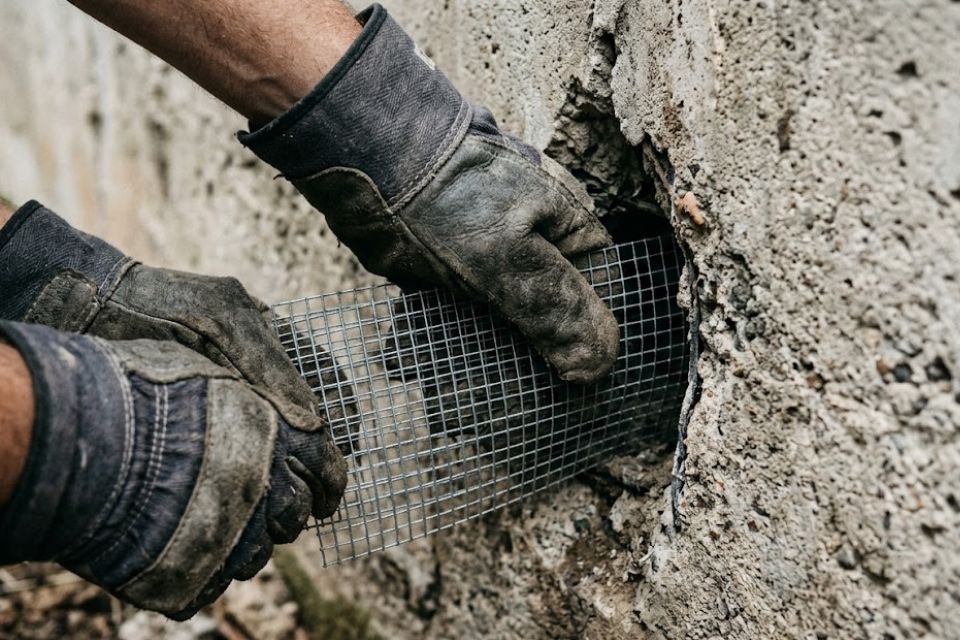
Stainless-steel mesh being installed in a crawl-space vent for rodent exclusion
NC-licensed structural pest control. Written guarantee on exclusion work. Same-day dispatch before mid-afternoon. Recorded records for Forsyth County Health Dept.
๐Ÿ”ง Tech Insight

Exclusion is the only permanent rodent fix. Trapping and baiting cut the active population. But unless the entry points are sealed, new rodents will take their place within 4 to 8 weeks. The quarter-inch rule applies for mice. Half-inch for rats. Pre-1940 Winston-Salem homes usually have 15 to 35 closeable entry points. They span foundation, crawl-space, roofline, and utility-penetration categories.

๐Ÿ“‹ Real Case

An Old Salem-adjacent (27101) 1925 home had been treated by three prior providers without permanent resolution. Our envelope mapping found 26 entry points (vs the 8โ€“10 prior providers had sealed), including 4 in original window wells and 3 at brick-pier joints. Full exclusion took 3 days. The home has stayed clear for 19 months. Scope: $1,750.

Exclusion vs. Recurring Treatment

Why Exclusion Is the Long-Term Fix, Not a Sales Line

The pest-control industry's business model is built on recurring visits. An exclusion-first model, closing the gaps and ending the cycle, is the opposite of that. We offer exclusion because it resolves the problem for the homeowner, which is more important to us than creating a long-term service dependency.

Recurring Trap Program

Population Handling

Catches rodents as they enter. Never runs out of work because entry points remain open. Needs indefinite repeat visits. Right when exclusion isn't feasible (rental properties between tenants, properties with active infestation only) but never the preferred long-term solution.

Exclusion Program

Source Elimination

Closes every entry point to the tolerance specific to the species. New rodents cannot enter. The current population is removed by the accompanying trap program. One-time job with a follow-up check visit. No recurring visits needed unless new entry points build years later.

Full Program

Both Combined

Treatment phase removes the active population. Exclusion phase closes all entry points simultaneously. Check visit confirms both knockdown and seal integrity. Written prevention report finds remaining risk reasons (overhanging trees, landscape shelter) that aren't part of the exclusion scope.

What Exclusion Covers

Entry Points We Seal in Winston-Salem Homes

The entry-point map from the inspection drives the exclusion scope. Common categories across Winston-Salem's residential stock:

Foundation Grade

Below-Grade Entry Points

Brick-pier mortar joints, crawl-space vent screens, utility sleeve gaps (water, gas, electrical), sump-pump discharge penetrations, and foundation crack voids wider than 1/2 inch. Norway rat exclusion territory. Materials. Lime mortar. Hardware cloth. Metal flashing. Hydraulic cement.

Wall & Floor

Above-Grade Wall Entry Points

Kitchen supply-line penetrations, bathroom drain escutcheons, HVAC flex-duct returns, dryer-vent louvers, electrical conduit entries, and floor-plate gaps at exterior wall bases. Mouse and rat territory based on gap size. Materials. Stainless steel mesh. Paintable siliconized caulk. Metal escutcheon plates.

Roofline

Upper-Building Entry Points

Soffit voids, gable vents, dormer-to-roof transition gaps, ridge-cap joints, plumbing stack penetrations, HVAC rooftop gear bases, and chimney-to-roofline gaps. Roof rat territory exclusively. Materials. Painted aluminum or steel flashing. Hardware-cloth inserts. Pre-screened vent replacements.

Doors & Windows

Threshold and Frame Gaps

Worn door sweeps, garage door threshold seals, pet-door flaps without rodent-resistant backing, and window-frame settling gaps at sill level. Mouse primary, rat secondary. Materials. Stainless-steel door sweeps. Threshold seals. Foam backer with mesh.

Free Exclusion Inspection, Winston-Salem & Forsyth County

Written quote. No contracts. Same-day visits for live activity, when bookings allow.

๐Ÿ“ž Call (844) 635-0403
How Exclusion Really Works

The Exclusion Work Step-by-Step

Rodent exclusion is the structural-level work that turns rodent removal into a durable result. Killing the rats and mice without sealing the entry points makes 60-90 days of clean property followed by re-infestation through the same openings. Exclusion addresses the underlying weakness, not just the symptom. Here's how the work really runs in Winston-Salem properties.

Phase 1: Entry-point mapping inspection (60-120 minutes)

The inspection is more detailed than rodent control inspections because every gap must be found, not just the obvious activity routes. Inspector walks the property exterior and interior, recording each penetration with. Photograph. Location summary. Gap size (sub-1/4 inch for mouse exclusion. Sub-1/2 inch for rat-only exclusion). Suggested sealing material. A typical Winston-Salem pre-1970 home makes 18-35 recorded entry points. Newer construction makes 8-15.

Phase 2: Material selection per entry point

No single material fits every gap. Foundation perimeter cracks: hydraulic cement or polyurethane sealant. Foundation vent screens: 1/4-inch hardware cloth installed behind current louvers. Plumbing penetrations: copper or stainless steel wool packed into the void before re-installing escutcheon trim. HVAC line penetrations: stainless steel mesh inserted into the sleeve, sealed with foam backing. Roofline gaps: hardware cloth and flashing matched to roof color. Exterior door thresholds: weather-stripping replacement plus door-sweep retrofit. Garage door bottom seals: replacement seals plus side-jamb hardware. Each location gets the material right to its physics.

Phase 3: Sequential sealing work (1-4 days based on scope)

Exterior work goes first (foundation, vents, rooflines) followed by interior work (kitchen penetrations, attic-side penetrations, basement and crawl-space access). Order matters because exterior sealing reduces the population pressure pushing toward interior gaps. Each sealed location is recorded in the work record.

Phase 4: Quality check

Trap setup kept at reduced density for 7-14 days post-exclusion. Zero new activity confirms the exclusion was complete. Any new activity triggers re-inspection at the affected zone to find missed entry points. We don't think about the job complete until the check period passes cleanly.

Phase 5: Written exclusion map deliverable

Final record includes the entry-point map, materials used at each location, photographs of before and after where contamination was real, and recommendation for check-back inspection scheduling (usually 12-24 months). The deliverable is useful for property records, future buyer disclosure, or insurance goals.

Exclusion Pricing

What Exclusion Work Costs in Winston-Salem

Exclusion pricing is the most scope-dependent service in our catalog because the entry-point count and material needs vary a lot across properties. Five reasons set the price:

Entry-point count

A modern Westridge ranch with 6-8 closeable gaps prices very differently from a 1920s Ardmore bungalow with 28-35 gaps. The labor scales linearly with count. Materials cost less than labor but also scales. Pre-purchase inspection makes the count before quote.

Exclusion standard, sub-1/4-inch (full mouse-grade) vs 1/2-inch (rat-only)

Mouse-grade exclusion is the whole-property standard. Rat-only exclusion is faster and lower-cost where mouse presence has been ruled out. Mouse-grade usually runs 40-80% higher than rat-only equivalent for the same property.

Material trouble

Standard residential exclusion uses common materials. Steel wool. Polyurethane sealants. Hardware cloth. Weather stripping. Lowest cost. Historic-property exclusion uses preservation-grade materials. Lime mortar. Color-matched hardware. Breathable fillers. 20 to 40 percent premium. Specialty situations like heavy industrial penetrations or unusual roofline geometry, multi-tenant planning) may add further cost.

Access trouble

Crawl spaces that are easily accessible, dry, and well-lit: lower labor cost. Wet, constrained, or hard-access crawl spaces: higher labor cost. Multi-story properties with high gable vents: more ladder and safety gear time. Each access constraint is priced into the quote rather than billed as a surprise on finish.

Planning with other work

Standalone exclusion: priced independently. Exclusion bundled with trap-control program: usually 10-15% discount on the bundled scope versus separate engagements. Exclusion bundled with insulation replacement or moisture cleanup: arranged workflow with separate line items per scope.

Typical price ranges

Limited exclusion (4-8 entry points, single-story): $480-$1,100. Standard residential mouse-grade exclusion: $1,200-$2,800. Full exclusion on older or historic properties: $2,500-$5,200. Commercial exclusion priced separately by facility scope. The free inspection makes the written quote with all variables itemized.

Long-Term Upkeep

Factors That Change Your Specific Quote

About insurance: Exclusion is preventive โ€” not reimbursable. The investment payback is avoided secondary damage to wiring, plumbing, insulation, and structural elements over the life of the work.

Want your real number? Call (844) 635-0403 for a free entry-point map.

Keeping Exclusion Work Over Time

Done exclusion work in Winston-Salem properties holds for years to decades based on materials and structural stability. Annual or biennial check-back inspection (free for past clients) catches degradation before it creates a re-entry point. Common degradation patterns. Weather-stripping wear at exterior doors. Settlement-caused cracks adjacent to sealed locations. Arborist-needed limb regrowth on roof rat exclusion properties.

Common Questions

FAQs

What is rodent exclusion and how is it different from pest control?

Rodent exclusion is the physical closure of building entry points, gaps, cracks, penetrations, to prevent rodents from entering. It differs from standard pest control in that it eliminates the access problem rather than treating the population that enters through it. Exclusion is a one-time construction-scope job. Pest control is steady population handling. Most complete rodent programs combine both.

How many entry points does a typical Winston-Salem home have?

A pre-1970s home in Ardmore, the West End, or Old Salem usually has 12โ€“30 identifiable entry points on a thorough inspection, ranging from major foundation gaps to minor plumbing-sleeve voids. Newer homes usually have 4โ€“10. The inspection maps all of them before we quote the exclusion scope.

What materials do you use for rodent exclusion?

The material matches the application and the construction era. Common materials: 1/2-inch stainless-steel hardware cloth for vent and crawl-space applications. Painted aluminum or steel flashing for soffit and roofline. Lime-compatible mortar for historic brick-pier joints. Expanding foam with rodent-deterrent additive (capsaicin compound) for interior plumbing penetrations. Heavy-gauge door sweeps for threshold gaps. We use Portland cement mortar only where the building fabric is not historic.

Does exclusion come with a warranty?

We guarantee the specific entry points we seal for 12 months, meaning if a sealed point fails and rodents re-enter through that specific gap, we reseal at no charge. We don't warranty against new entry points that build after the job is complete (roof damage. Settling that opens new gaps, landscaping changes that create new access), those would need a follow-up inspection.

What's the gap between exclusion and pest control?

Pest control kills active pests. Exclusion physically prevents re-entry by sealing the gaps and penetrations rodents use. Killing the current rats and mice without exclusion makes a short-term result, new ones move in through the same openings within months. Exclusion is what makes the result durable.

How many entry points does a typical home really have?

Older Winston-Salem homes (pre-1970) usually have 15-35 closeable mouse-scale gaps and 4-10 rat-scale gaps. Newer construction has 5-15 total. The free inspection makes a written map of every gap found, homeowners are usually surprised by the count.

Does exclusion work need any homeowner participation?

Inspection access yes, work participation no. We need walkthrough access to find every entry point during inspection. The actual sealing work goes without homeowner involvement. We record what was sealed, where, and what materials were used in the written deliverable.

Can I do exclusion myself with steel wool from the hardware store?

For small gaps in obvious locations, yes. For the systematic ID of every sub-1/4-inch opening on a 1920s bungalow, the trained-eye inspection is the value. Most DIY exclusion attempts seal 30-40% of the actual entry points. The property remains vulnerable to mice. Pro exclusion targets the full set.

How long do the sealed entry points hold up?

Stainless steel wool and hardware cloth installations: indefinitely. Polyurethane and silicone-based sealants: 5-10 years before retreatment may be needed. Aging structural movement (foundation shifting, settling) in the end creates new gaps no matter materials used. We give check-back inspection scheduling for done exclusion clients.
Related Services

Often Combined

๐Ÿ“ž Call (844) 635-0403, Open Now