Free Inspection ยท Same-Day Available

Warehouse Rodent Control in Winston-Salem, NC

Warehouse rodent control is a perimeter-first program for large industrial and spread facilities. We work the properties along Hanes Mall Road, Stratford Road, and the I-40 business corridor. The pressure comes from two sources. Norway rats from the rail lines and utility easements next door. And the loading-dock gaps. Standard residential programs aren't built for either.

๐Ÿ“ž Call (844) 635-0403All 33 Services
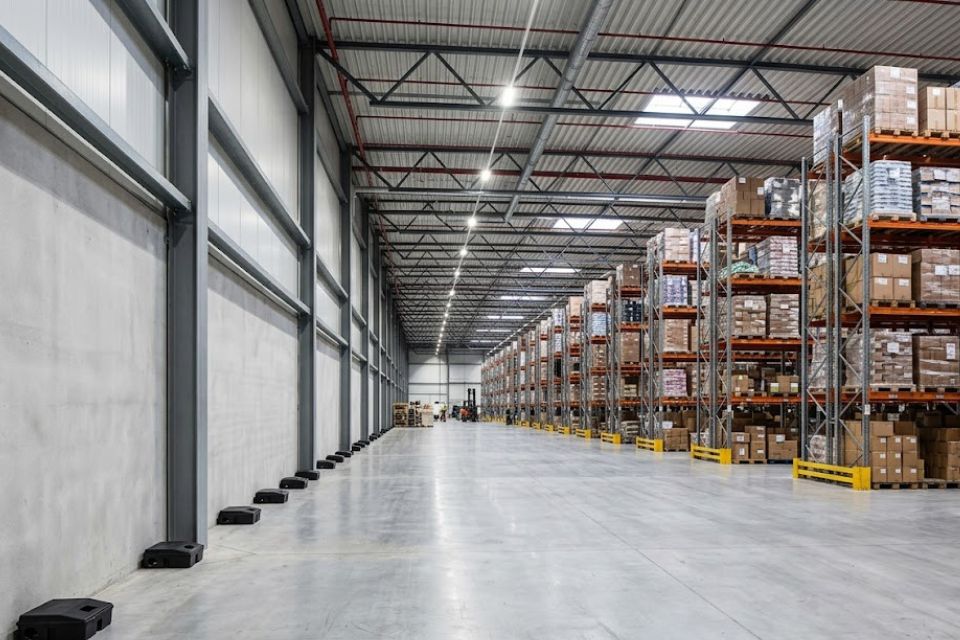
Warehouse perimeter rodent control, bait station deployment in Forsyth County
NC-licensed structural pest control. Written guarantee on exclusion work. Same-day dispatch before mid-afternoon. Recorded records for Forsyth County Health Dept.
๐Ÿ”ง Tech Insight

Warehouse rodent pressure has building causes. Loading-dock door seals degrade. Dock-leveler gaps open at the seal line. Adjacent rail or utility corridors sustain regional populations. A FDA-compliant food warehouse needs monthly recorded service with photo evidence. General storage facilities can operate on quarterly cadence with active-response triggers.

๐Ÿ“‹ Real Case

A 45,000 sq ft Hanes Mill (27105) industrial warehouse near the rail corridor had Norway rat pressure from the adjacent easement. We installed 16 exterior tamper-resistant bait stations on a 30-day rotation, addressed 3 loading-dock door-seal gaps, and ran weekly monitoring for 8 weeks. Population cleared. Quarterly maintenance continues. Scope: $1,240 setup + $320/quarter ongoing.

Winston-Salem Warehouse Rodent Profile

Why Warehouses Face Persistent Rat Pressure

Large-footprint warehouse and spread properties in Forsyth County face a rodent dynamic different from residential or small-commercial work. Three reasons drive persistent pressure:

Loading Docks

Dock Gaps Are Always Present

Dock leveler seals degrade with use. The gap between a raised dock plate and the trailer floor, often 1โ€“2 inches during non-peak-load hours, is a reliable Norway rat entry point. Dock door thresholds with worn weather seals add a second perimeter weakness that's often unaddressed until an infestation is set up.

System Adjacency

Rail and Utility Corridor Pressure

Warehouses along the rail corridor south of downtown face Norway rats that use the rails as travel and shelter routes. Same goes for industrial properties next to utility rights-of-way. Population pressure from outside the property line can't be handled by interior treatment alone. Perimeter station programs are what these sites need.

Product Shelter

Stored Product Creates Habitat

Palletized product stored directly on concrete floors with no air gap creates ideal Norway rat shelter, dark, protected, temperature-stable. Rat burrow tunnels in the compressed packaging material are often not discovered until a pallet is moved for the first time in weeks. First-in-first-out inventory practices reduce this risk. Perimeter programs address it no matter storage method.

Landscaping

Perimeter Plants Gives Cover

Foundation-adjacent shrubs. Mulched beds. Vegetation strips along warehouse perimeters that nobody trims. All three give rat shelter within feet of the building. Changing these landscaping conditions is part of a long-term prevention plan. But perimeter bait stations handle the population pressure while landscape changes happen at the facility's own pace.

Warehouse Program

What Warehouse Rodent Control Includes

Perimeter Survey

We walk the full exterior perimeter. We mark burrow locations, dock-gap conditions, vegetation adjacency, and utility penetrations. We map the building footprint. The inspection is free. You get a written report formatted for facility handling.

Station Setup

We place tamper-resistant exterior bait stations at all the burrow entrances, dock corners, personnel door thresholds, and utility penetrations. Station density depends on how much rat evidence we find and how long the perimeter is.

Interior Review

Where we confirm interior activity, we set snap traps. Dock areas. Utility rooms. Along interior perimeter walls. Palletized storage areas get inspected for evidence. Interior treatment goes only where evidence supports it.

Dock Exclusion

Dock leveler seal inspection and replacement suggestions. Dock door threshold seal review. Utility sleeve closure at foundation-grade penetrations. Written exclusion list for facilities team.

Service Records

Station service records, bait consumption logs, and activity reports after each visit. Formatted for quality-control, insurance audit, and FDA/FSMA rule-following records where applicable.

Free Inspection, Call (844) 635-0403

Open 24/7. Forsyth County and adjacent areas. Written quote before work begins.

๐Ÿ“ž Call Now
Warehouse Program Detail

How Warehouse Rodent Programs Are Built

Warehouse programs in Winston-Salem are sized to fit each facility. Three categories of warehouse work need different program shapes.

Food-storage warehouses (FDA and USDA regulated)

Strict paperwork. Monthly service at a minimum. A formal pest-handling plan kept on file. Integrated Pest Handling (IPM) protocols. Bait selection is limited to products approved for food-handling areas. Rodenticide stays on the exterior only. Inside, we use mechanical traps and monitoring stations. The records format lines up with what FDA inspectors expect.

Spread warehouses (high inventory turnover)

Here the goal is protecting inventory. We run rolling perimeter service so populations never get a foothold. Interior monitoring stations go in a grid pattern across the floor. Emergency response is on standby for active situations during shipping and receiving cycles. Service is monthly at a minimum, often every two weeks in peak rat season (October to March).

Storage warehouses with stable inventory

Lower rodent pressure than spread warehouses. Quarterly service is the norm. We bump it up to monthly when something is active. Perimeter stations plus interior monitoring. Less paperwork than food-regulated places.

First facility survey

We walk the complete facility โ€” interior, exterior, perimeter, dumpsters, loading docks, mechanical rooms. We mark the rodent-vulnerable zones. We check current conditions. Then we recommend a program. Larger facilities (50,000+ sq ft) take 3-5 hours. Smaller warehouses take 1-3. You get a written facility report and a program quote.

Pricing. Monthly rate runs $0.03 to $0.06 per square foot for stable-inventory storage. $0.05 to $0.09 for spread warehouses. $0.07 to $0.15 for food-storage facilities with rule-side paperwork. The first survey and setup usually equals 1.5 to 2.5 months of standard service. Emergency response is priced on its own.

Factors That Change Your Specific Quote

About insurance: Warehouse pest management is operating expense. Stored-product rodent damage may qualify under property coverage for catastrophic incidents. Routine activity falls to the facility's responsibility.

Want your real number? Call (844) 635-0403 for a free facility walkthrough.

Common Questions

FAQs

What's the most common rodent entry point in Winston-Salem warehouses?

Loading dock gaps are the primary entry point, the space between dock leveler plate and trailer floor during idle hours, and worn dock door weather seals at grade level. Secondary entry is through foundation-grade utility sleeve penetrations that were never properly backfilled against rodent access.

Do warehouse rodent programs need FSMA or food-safety records?

For food-spread facilities subject to FDA Food Safety Modernization Act (FSMA) needs. We give service records in a format that supports FSMA pest-control records needs, station maps, service dates. Bait consumption records, and corrective action notes. We don't give FSMA rule-following certification, but our records support your own rule-following records.

How often should a warehouse perimeter be serviced in Winston-Salem?

High-pressure locations adjacent to rail corridors or with active dock work usually warrant monthly station service. Lower-pressure properties with good exclusion in place can run quarterly. First service frequency is set after the survey. We adjust from bait consumption data from the first two service cycles.

How is warehouse rodent control different from retail?

Scale and structure. Warehouses have larger interior footprints. Fewer compartments. Longer perimeter walls. The inventory usually rotates. That leaves it open to contamination. Treatment uses more exterior perimeter bait stations. Plus interior monitoring stations on a grid. And rolling inspection schedules sized to the facility.

Will warehouse work need to pause during treatment?

Rarely. Bait station service and interior monitoring happen during business hours without disrupting work. Emergency response for active situations may need localized work area clearance for safety. We arrange with work handling to minimize any disruption.

What about food-storage warehouses just?

Food warehouse work have FDA and USDA records needs beyond standard health-code. Our scope can satisfy those records needs but the program structure differs, more frequent service, more steady monitoring, formal pest-handling plan records. Quote includes records scope.

Are warehouse rodent problems seasonal?

Yes, populations peak in fall (October-November) as outdoor rodents move toward heated structures. Spring sees secondary pulses tied to outdoor breeding cycles. Treatment intensifies during peaks and keeps preventively during off-peak. We adjust station inspection frequency seasonally.

How do you handle warehouse-scale contamination cleanup?

Same protocols as smaller commercial. PPE. HEPA-filter gear. EPA-registered disinfection. We scale to facility size. Heavy contamination jobs at large warehouses sometimes run several days. With several techs. Records built for insurance and rule-side use come standard.

What's typical warehouse program pricing?

Per-square-foot ranges $0.03-$0.12 monthly based on inventory type and current condition. First setup including station placement and first inspection: $1,500-$4,500. Steady monthly service: scope-dependent. Quote made after walkthrough.

Related Services

Often Combined

๐Ÿ“ž Call (844) 635-0403, Open Now