What's the gap between rat proofing and rodent exclusion?
Rat proofing is species-specific exclusion calibrated to 1/2-inch tolerance, the minimum gap size a rat needs. Rodent exclusion is the broader term covering both rat-scale (1/2 inch) and mouse-scale (1/4 inch) sealing in a single whole-property scope. If you only have rats, rat proofing is the right scope. If you have both rats and mice, full rodent exclusion covers both tolerance levels.
Can rats chew through the materials you use?
The structural materials we use, stainless-steel hardware cloth, metal flashing, and mortar, are gnaw-resistant. Rats can chew through wood, plastic, and expanding foam. A properly installed stainless-steel mesh insert in a gable vent or crawl-space opening will not be breached by gnawing. The failure mode for exclusion work is usually a gap that wasn't sealed during the original scope, not a breach of properly installed materials.
Does rat proofing eliminate the need for trapping?
Rat proofing alone does not remove rats already inside the building. A complete program combines trapping to achieve population knockdown with exclusion to prevent new entries. Proofing alone on an active infestation traps the current population inside, which creates a decomposition problem. We always scope treatment and exclusion together for active infestations.
How much does rat proofing cost in Winston-Salem?
Foundation-grade Norway rat exclusion on a typical Forsyth County single-family home runs 00–,400 based on the many entry points and the trouble of the construction. Roofline exclusion for roof rats runs 00–,000. Combining both zones on a property with mixed species runs 00–,400. Free inspection always. Written quote before any work.
How does rat proofing differ from rodent exclusion?
Rat proofing uses the 1/2-inch gap standard, right for blocking Norway and roof rats. Full rodent exclusion uses the 1/4-inch standard needed to also block mice. Rat proofing is less costly and faster but only solves the rat problem. Mice can still enter through sub-1/4-inch gaps that pass rat-proofing inspection.
Is rat proofing enough if I only have rats and no mice?
Yes, if mouse presence has been ruled out. If droppings only show rat-scale and the property history doesn't include mouse activity, rat proofing to the 1/2-inch standard solves the problem and saves cost. We confirm species on inspection before suggesting one way over the other.
What materials are used for rat proofing exterior gaps?
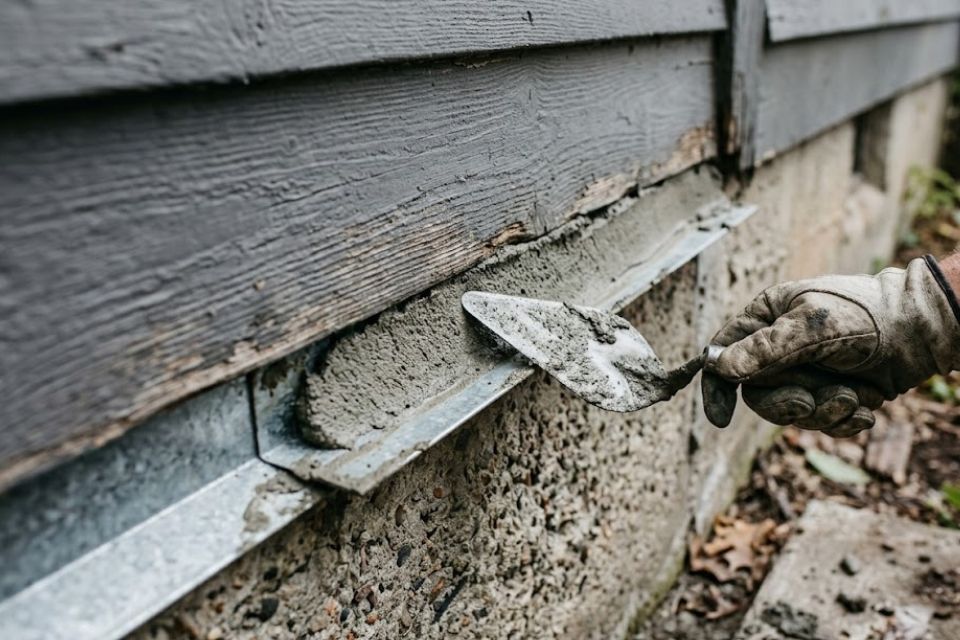
Stainless steel hardware cloth (1/4-inch mesh installed where 1/2-inch gaps exist), galvanized steel sheet for larger penetrations. Polyurethane sealant for joints under 3/4 inch, and concrete patching compound for foundation gaps. Materials chosen for durability and inability to be gnawed through.
Does rat proofing damage exterior siding or stonework?
No when done correctly. We use minimally-invasive methods, setup behind current vent covers, mortar-color-matched patching for masonry, and joint-grade sealants that don't need structural alteration. Historic-property work uses more preservation-grade materials.
Do I need rat proofing if my home is newer construction?
Even newer homes build entry points over time, garage door corner seals wear, HVAC penetrations shift, dryer vent louvers degrade. Active rat presence usually means at least one penetration has opened. Rat proofing addresses what's now open. Check-back inspection every 3-5 years catches new gaps before populations set up.