Free Inspection ยท Same-Day Available

Restaurant Rodent Control in Winston-Salem, NC

Restaurant rodent control is rat and mouse work built around health-code rules. The job combines good treatment with the discretion, schedule flexibility, and rule-side paperwork that restaurants need. In Winston-Salem, the Innovation Quarter and 4th Street corridor make more food-service rodent calls than anywhere else. Three things drive that. Downtown building density. Norway rat pressure from older sewer lines. And the volume of food waste that makes restaurant blocks steady rodent attractants.

๐Ÿ“ž Call (844) 635-0403All 33 Services
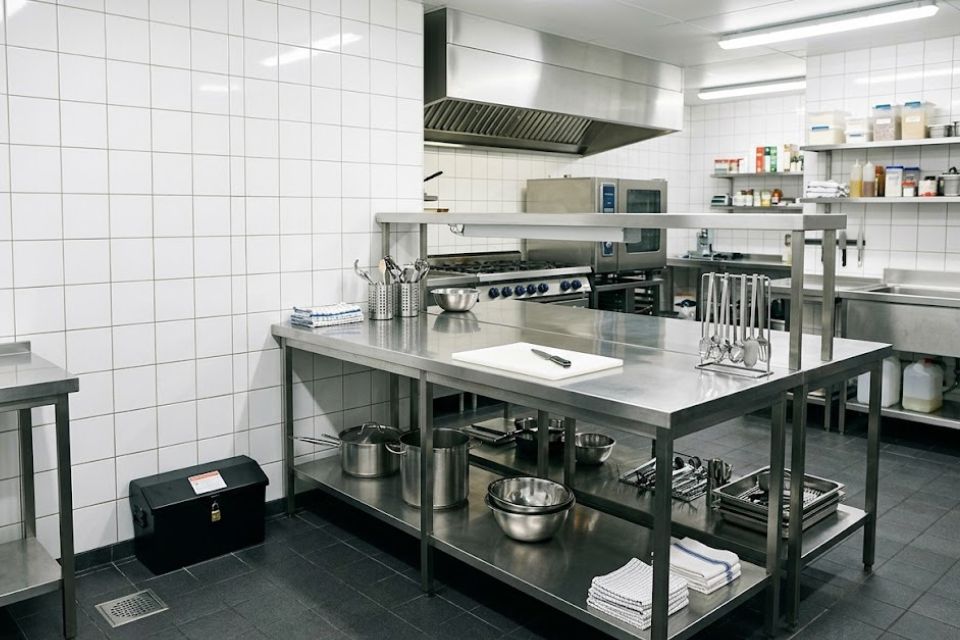
Restaurant rodent control, commercial kitchen back-of-house in downtown Winston-Salem
NC-licensed structural pest control. Written guarantee on exclusion work. Same-day dispatch before mid-afternoon. Recorded records for Forsyth County Health Dept.
๐Ÿ”ง Tech Insight

Restaurant rodent control follows Forsyth County Health Department record rules. Every service must be dated, signed, scoped, and kept on-site. Critical violations need recorded corrective action before re-inspection. Most downtown restaurants need monthly service minimum. High-traffic kitchens face quarterly health inspections that can trigger more frequent visits.

๐Ÿ“‹ Real Case

A 4th Street (27101) restaurant received a 3-point Forsyth County violation for visible droppings near the dry goods storage. We dispatched same-day, did full back-of-house inspection, set up a 6-trap array, and delivered recorded service records by close of business. Re-inspection passed 2 weeks later. Scope: $480 first + $280/month ongoing program.

Restaurant-Specific Rodent Challenges

Why Restaurant Rodent Control Is Different

Health Code Stakes

A Single Dropping Can Trigger a Violation

The Forsyth County Health Department's environmental health division inspects food-service work on a scoring system. Active rodent evidence creates critical violations on the spot. That can be droppings. Gnaw marks. Or live rodent sightings. A violation triggers a re-inspection within days and can result in closure pending corrective action. We give written same-day treatment records suitable for rule-side response.

Operational Disruption

Treatment Must Work Around Service Hours

A restaurant cannot have pest control technicians working interior areas during prep or service hours usually. We schedule interior inspections and trap setup for early-morning before prep begins, or after closing. Exterior perimeter station service can happen any time. We confirm scheduling specifics with kitchen handling before any visit.

Source vs. Symptom

Entry Points Matter More Than Bait

Rodenticide bait inside a restaurant is impractical. The treatment risk and rule-side exposure outweigh the gain. Restaurant rodent control leads with physical exclusion. We seal the entry points that bring rats in from the street. We pair that with snap-trap programs in non-food-contact areas. In a food-rich place, cutting off access works better than handling the population.

Building Stock

Downtown Masonry Buildings Need Extra Inspection Depth

Much of Winston-Salem's restaurant row sits in older masonry buildings. Along 4th Street, Trade Street, and the Innovation Quarter. They have the same foundation and utility-penetration gaps as historic homes. Plus two things homes don't have. Commercial kitchen grease traps. And shared utility chases that create travel corridors for Norway rats between adjacent buildings.

Restaurant Program

What Restaurant Rodent Control Includes

Kitchen Inspection

Pre-service or after-closing walk of all food-contact and non-food-contact areas. Behind gear. Under sinks. In dry storage. Inside grease-trap access areas. Along all wall-base runways. Evidence recorded by location and time-stamped. Free. Written report.

Exterior Perimeter

Dumpster enclosure. Back-of-house entry. Utility penetrations. The foundation perimeter. Tamper-resistant exterior bait stations go where they should. Outside. Never in food-contact areas. We check dumpster placement too. We look for gaps in the enclosure.

Interior Trap Placement

Snap traps in protected non-food-contact positions. Under gear bases. Inside utility chases. Behind wall-base kick plates. Never on open food-prep surfaces. Placement map recorded.

Exclusion

Back-of-house door threshold seals, utility-sleeve closures, and foundation-grade gap sealing. Written exclusion list. Door-sweep replacement where worn.

Rule-side Records

Same-day treatment record. Evidence found. Treatment placed. Locations. Date and time. Formatted for Forsyth County Health Department response. Available within hours of service for active inspection situations.

Free Inspection, Call (844) 635-0403

Open 24/7. Forsyth County and adjacent areas. Written quote before work begins.

๐Ÿ“ž Call Now
Restaurant Program Detail

How Restaurant Rodent Programs Run

Restaurant programs work under tighter constraints than home programs. Three things have to line up. Health-code rule-following. Discretion in customer areas. Scheduling that fits work. Four traits define a typical restaurant program.

Service cadence by work type

Full-service restaurants with table service: monthly at a minimum, often every two weeks in peak season. Quick-service: monthly standard. Bars with limited food service: monthly, with seasonal adjustment. Every visit covers exterior bait stations, interior monitoring stations, dumpster-area inspection, kitchen and back-of-house review, and a discreet check of the customer area.

Health-code records

Every visit makes a written record. Date, technician name, what we did, what we used, what we saw, when we're back. The format works with Forsyth County health-inspector needs. Most restaurants keep these records on-site so inspectors can review them during routine visits.

After-hours and emergency response

Restaurant emergencies get priority dispatch. A mid-service rodent sighting. A customer complaint. An after-hours kitchen incident. We hold afternoon and evening slots for downtown restaurant accounts. After-hours dispatch usually has no surcharge for accounts on monthly programs.

Discrete service

Customer-area work happens before opening or after closing. Never during service. Kitchen and back-of-house work is scheduled the way the operator wants โ€” often morning prep, often after close. Bait stations are placed out of sight where we can. Monitoring stations are kept low-profile on goal. The goal is for the rodent program to run in the background without the guests ever noticing.

Pricing. Small restaurant (under 2,000 sq ft): $160-$280 monthly. Mid-sized restaurant (2,000-5,000 sq ft): $280-$520 monthly. Larger or multi-concept work: $480-$950 monthly. Setup fee covering first facility survey: usually equivalent to 1.5-2 months of monthly service. Emergency response within monthly programs: usually no more charge.

Factors That Change Your Specific Quote

About insurance: Restaurant pest management is operating expense. Business-interruption insurance may cover health-code-driven closure with proper records โ€” we supply the dated service trail health inspectors expect.

Want your real number? Call (844) 635-0403 for a free restaurant walkthrough.

Common Questions

FAQs

What happens if the health inspector finds rodent evidence at my restaurant?

A critical violation for rodent evidence triggers a mandatory re-inspection within days. The inspector expects to see recorded corrective action, meaning a pest-control service record showing what was found and what was done. We can give same-day treatment and records for active violation situations. Call right away. The records needs to be dated before the re-inspection.

Can you treat during business hours without disrupting customers?

Exterior perimeter station service can happen any time without disruption. Interior work, inspection and trap placement, is best scheduled before prep hours begin or after closing. We confirm timing with kitchen handling before any visit and work around your specific service schedule.

Do you use rodenticide bait inside restaurants?

No. Interior rodenticide bait in food-service work creates two problems. Rule-side exposure. And risk to non-target animals. Our restaurant programs use snap traps in protected, non-food-contact spots for interior knockdown. Tamper-resistant bait stations stay on the exterior perimeter only. The way matches what the Forsyth County Health Department expects for food-service pest management.

Will Forsyth County health inspectors close my restaurant for rodent evidence?

Recorded rodent activity is a critical violation. Whether it triggers closure depends on three things. How severe the evidence is. The site's earlier history. And what corrective-action paperwork is in place. Active rodents during inspection trigger same-day or follow-up violations. Recorded corrective action โ€” paperwork showing a pro is already engaged โ€” usually prevents closure even when evidence is found.

Do you give records that satisfy health-code re-inspection?

Yes. We give written service records on every visit. They cover date, scope, materials used, technician ID, and follow-up schedule. The format meets Forsyth County health-inspector record needs. We deliver them on every commercial visit. Inspectors recognize the format from regular use.

Can you work during business hours or do you need to come after close?

Both, based on scope. Exterior bait station service and exterior inspection happen during business hours all the time. The customer doesn't notice. Interior dining-area work happens after close. Kitchen and back-of-house work is scheduled the way the operator wants.

How quickly can you respond to an active restaurant rodent situation?

Same-day for active rodent sightings or fresh evidence during a service shift. A health-code violation that needs same-day corrective action gets same-day response with records. We hold afternoon emergency slots for downtown commercial accounts.

What's the typical restaurant pest-prevention program structure?

Monthly perimeter service. Rolling exterior bait station upkeep. Interior monitoring. Recorded service records. We bump it up to weekly or twice-monthly during active events. Every visit makes records suitable for health-inspector review and operator quality control. The quote spells out the per-visit scope.

Are you available for emergency calls outside business hours?

24/7 dispatch for restaurant emergencies. Kitchen rodent sighting during dinner service. Customer-area incidents. After-hours odor complaints. Off-hours dispatch carries a surcharge. It runs $80 to $150 based on time and travel.

Related Services

Often Combined

๐Ÿ“ž Call (844) 635-0403, Open Now