Free Inspection · Same-Day Available

Attic Rodent Cleanup & Sanitization in Winston-Salem, NC

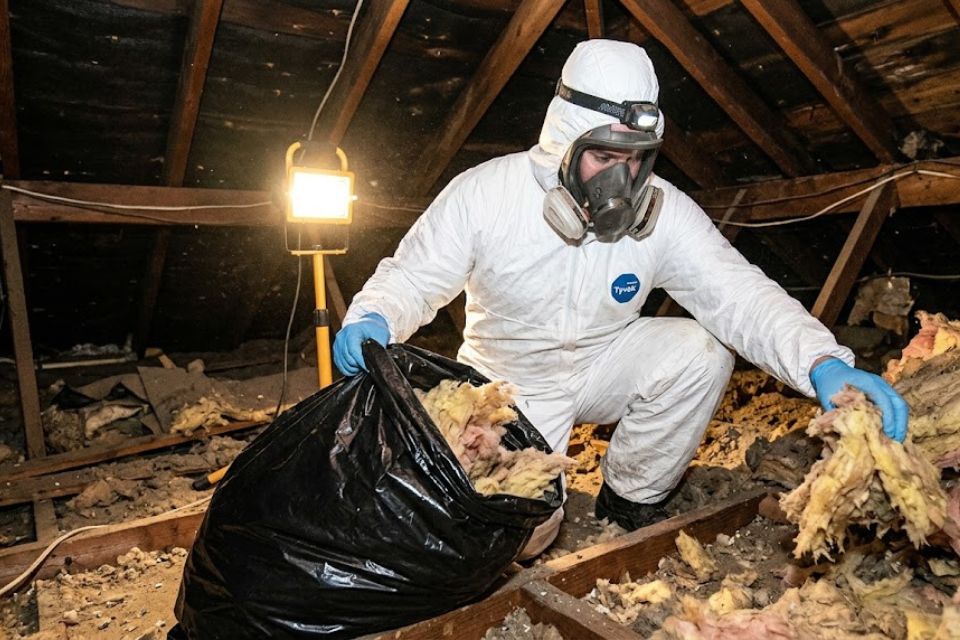
Attic rodent cleanup is the post-infestation cleanup work that follows a successful roof rat or Norway rat treatment. We remove the droppings, urine-saturated insulation, nesting material, and carcasses. Then we disinfect every exposed joist and sheathing surface. The goal is to take out the pathogen risk and the odor. In Winston-Salem's Reynolda canopy belt, this is one of the most common post-treatment jobs we run. A roof rat colony active in an attic for one or more seasons can contaminate the whole insulation layer.

📞 Call (844) 635-0403All 33 Services
Attic insulation contaminated by roof rat activity, before cleanup and sanitization
NC-licensed structural pest control. Written guarantee on exclusion work. Same-day dispatch before mid-afternoon. Recorded records for Forsyth County Health Dept.
๐Ÿ”ง Tech Insight

Rodent-fouled insulation can't be cleaned in place. Droppings, urine crystals, and nesting material bond to fiberglass fibers and cellulose dust at a microscopic level. EPA-registered hospital-grade disinfectant works on hard surfaces. But porous insulation needs HEPA-vacuum removal at minimum. Full replacement is needed above roughly 1 dropping per square foot.

๐Ÿ“‹ Real Case

A 1928 West End (27101) attic showed heavy roof-rat contamination across 700 sq ft of original rock-wool insulation. We extracted contaminated material with sealed HEPA collection over 2 days, disinfected all framing with EPA-registered solution, and paired with an insulation contractor for replacement. Scope (cleanup only): $1,650.

What Attic Cleanup Includes

What Attic Cleanup Includes

A full cleanup covers five phases. First, HEPA-vacuum collection of every accessible dropping from insulation and framing. Second, removal and bagging of all nesting material. Third, removal of contaminated insulation where saturation warrants it. Fourth, HEPA-rated disinfectant spray on every exposed wood surface. Fifth, a written report that records the contamination level and any structural problems we noticed during the work.

When Full Cleanup Is Needed

A light infestation resolved early may leave spot contamination addressable with targeted cleanup. An set up colony active for one or more breeding seasons contaminates the full insulation layer and needs the complete scope. The inspection after knockdown decides which applies, we do not recommend full cleanup on every job no matter evidence level.

Insulation Review

The cleanup inspection checks insulation condition. R-value loss from compression and urine saturation. Moisture content where nesting has created condensation points. The share of the insulation layer that is contaminated versus salvageable. Where replacement is warranted, we give a written scope you can use with any licensed insulation contractor.

Free Inspection in Winston-Salem & Forsyth County

Written quote. Open 24/7. Same-day available for active situations.

📞 Call (844) 635-0403
Cleanup Work Detail

The Attic Cleanup Protocol Step-by-Step

Attic cleanup follows a CDC-aligned protocol. The reasons are direct. Hantavirus exposure from dried droppings. Leptospirosis from urine staining. Bacterial contamination across every contacted surface. These need pro methods, not household cleaning. Six steps make up the standard scope.

Step 1, Pre-cleanup review

The inspector records how heavy the contamination is (light, modest, or heavy). We note where it's located, what the insulation condition is, what structural surfaces are affected (joists, decking, framing), and whether any HVAC parts are exposed. You get a written review with photos. The review decides whether cleanup in place is enough (light to modest) or whether removal and replacement of the insulation is needed (heavy).

Step 2, Containment setup

Plastic sheeting at attic access point to prevent dust migration into living space. HEPA-filter air scrubber positioned in attic to capture aerosolized particles during the work. Negative-pressure setup where structural conditions allow. Technicians use N95+ respirators, disposable coveralls with hood and booties, and chemical-resistant gloves across the work.

Step 3, Droppings and nest material removal

HEPA-filter vacuum collection of loose droppings, nest material, and accessible contamination. Vacuum bags sealed and disposed of in biohazard-rated containers. Hand-removal of larger nest concentrations using disposable scoops and sealed bags. The removal work runs 2-6 hours based on contamination scope.

Step 4, Insulation review and selective removal

Light contamination on fiberglass batts: we vacuum and disinfect in place. Modest contamination: we remove the affected sections, leaving the rest intact. Heavy contamination โ€” saturation, tunneling across, multiple nest sites โ€” means complete attic insulation removal in bagged sections. Replacement is arranged as a separate phase.

Step 5, EPA-registered disinfection

We spray every contacted surface with EPA-registered disinfectant. It's rated for hantavirus and bacterial pathogens. We give it a 10-minute dwell time before any wipe-down. The spray reaches surfaces the vacuum can't. Wood structural surfaces, like joists and decking, get sprayed where there's visible staining. Non-staining contamination is wiped-and-disinfected.

Step 6, Air quality check and records

The HEPA filter runs another 30 to 60 minutes after cleanup work is done. We do a final walkthrough with you when we can, showing the done work. The written report covers the contamination review, what we did, what we used, and any structural follow-up or insulation replacement we'd suggest arranging next.

Typical cleanup pricing

Light contamination in an accessible attic runs $580 to $1,200. Modest, with some insulation removal, runs $1,200 to $2,400. Heavy contamination needing complete insulation removal runs $2,400 to $5,200. Insulation replacement is a separate $1,800 to $4,500, billed by the replacement contractor.
After Cleanup

What to Expect in the Weeks After Cleanup

Post-cleanup check matters as much as the cleanup itself. Residual odor reduces over a 7-14 day window as ventilation completes the deodorization work. Persistent odor beyond 2 weeks signals either remaining contaminated material in inaccessible cavity spaces or HVAC duct contamination needing separate cleanup. We flag both possibilities on the post-cleanup walkthrough.

HVAC duct involvement is the most common follow-up scope. Rodent activity in attic spaces with ducted HVAC systems can deposit droppings and nest debris inside duct runs, which then re-circulate odor and contamination across the home during system work. Visual inspection of accessible duct sections during cleanup finds probable contamination. Full duct cleaning by an NADCA-certified contractor resolves it.

Insulation replacement planning usually follows within 1-3 weeks if heavy contamination warranted full removal. The replacement window allows time for any residual moisture to fully resolve before new insulation goes in. We hold a check-back visit 30-60 days post-finish to check long-term result and check whether exclusion remains intact against any new pressure.

Insurance records needs vary by carrier and policy type. Standard homeowner's policies often exclude "pest damage" but may cover "specified peril" categories that include rodents. Some policies cover the consequential damage (insulation, structural materials) even where the pest activity itself is excluded. We give itemized contamination records, photographs, and treatment scope records in a format compatible with most insurance claim steps. Worth checking the policy before assuming coverage exists or doesn't, the records costs nothing to assemble and may unlock big claim recovery on properties with wide damage.

Factors That Change Your Specific Quote

About insurance: Most homeowner policies exclude routine rodent damage but cover secondary issues โ€” gnawed wiring, contaminated insulation when classified as a covered-peril consequence. We supply the photographic evidence and itemized scope insurers require.

Want your real number? Call (844) 635-0403 for a free attic inspection.

Common Questions

FAQs

How long does attic rodent cleanup take?

A typical single-family attic cleanup without insulation removal takes 2โ€“4 hours for a crew of two. Jobs that include insulation removal run 4โ€“8 hours based on attic size and access trouble. Attic access clearance height and the presence of HVAC gear in the attic both affect timing.

Does attic cleanup need me to leave the house?

The cleanup work itself does not need vacating the home. We recommend keeping pets and children out of the attic access area during the work. The disinfectant spray is EPA-registered for residential use. We note the specific product and any re-entry guidance in the written report.

What does attic rodent cleanup cost in Winston-Salem?

Cleanup without insulation removal runs $400 to $900 for a typical single-family attic. Jobs that include partial insulation removal run $700 to $1,500. Full insulation removal is quoted on its own. It usually runs $1,500 to $4,000 for a full Forsyth County residential attic. The price depends on square footage, insulation type, and disposal logistics.

Can I clean up rat droppings in the attic myself?

Physically possible but not suggested without proper gear. N100 respirator (not N95). Nitrile gloves. Disposable coveralls. A HEPA-rated vacuum. Standard shop vacs blow contaminated particles back into the air. For any attic with more than minor spot contamination, pro cleanup is the right standard of care.

Why does attic rodent contamination need pro cleanup?

Three reasons. First, the breathing risk from airborne dried droppings (hantavirus). Second, insulation saturation that a household vacuum can't reach or capture. Third, the access geometry โ€” attics aren't built for household cleaning gear. Pro cleanup uses HEPA-filter gear and disposable PPE built for confined contaminated spaces.

Will the insulation always need replacement?

Light contamination, scattered droppings on the surface of fiberglass batts, can be cleaned in place. Heavy contamination (urine-saturated sections, nest tunneling through blown insulation, batt sections used as nesting material) needs removal and replacement. We record the review in writing with photos.

Is there an odor that persists after cleanup?

Rodent-source odor usually resolves within 1-2 weeks of complete cleanup and ventilation. Persistent odor after that timeline usually shows either remaining contaminated material in inaccessible spaces or HVAC ductwork contamination needing separate cleaning. We can flag duct contamination on the cleanup walkthrough.

What happens to the contaminated materials removed?

Sealed in heavy-duty disposal bags on-site, transported in covered containers, and disposed of per Forsyth County waste handling protocols for biohazard-adjacent materials. The disposal records is included in the written cleanup report.

How long does attic cleanup usually take?

1-3 days for most properties. Heavy contamination jobs needing full insulation removal can run 4-5 days. The work is sequential, we don't run two technicians in a small attic space simultaneously for safety reasons.

Can attic cleanup happen in winter?

Yes, attic temperature isn't a problem for the cleanup work itself. Outside air temperatures below 25ยฐF can affect adhesive cure times for any sealing work done during the same visit. We sequence the work so. Most months of the year are fine.

Related Services

Often Combined

๐Ÿ“ž Call (844) 635-0403, Open Now